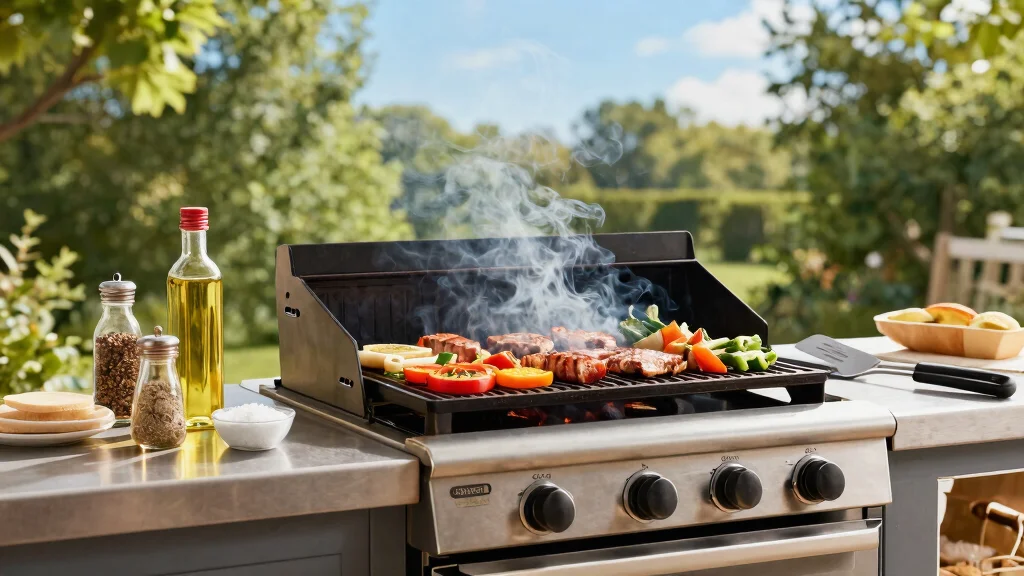
Seasoning your Blackstone griddle top is not just a cooking chore; it’s a rite of passage for outdoor cooking enthusiasts. If you’ve ever been frustrated with food sticking to your griddle or are just curious about how to elevate your griddle cooking, you’re in the right place. This post was crafted to help you master the art of seasoning, ensuring your griddle performs at its best every time you fire it up.
Whether you’re a seasoned griddle master or just starting your outdoor cooking adventure, this guide is for you. You’ll find practical tips that will have you grilling like a pro in no time. With these seven expert insights, you’ll learn how to maintain your griddle, choose the right oils, and troubleshoot common issues with ease. Get ready to enhance your grilling experience and impress your friends and family with your delicious creations.
By the end of this post, you’ll have all the knowledge you need to season your Blackstone griddle top effectively. You’ll feel confident knowing how to keep your griddle in prime condition, leading to better meals and less mess. So, let’s dive in and get your griddle ready for some unforgettable outdoor cooking!
Key Takeaways
– Start by choosing the right oil for seasoning your Blackstone griddle top; oils with high smoke points work best for long-lasting protection.
– A clean griddle is essential; make sure to remove any residue before applying your seasoning for the best results.
– Apply thin layers of seasoning to avoid buildup, ensuring even coverage and effective non-stick properties.
– Use the heat and cool down method to help the oil bond to the griddle surface, enhancing durability and performance.
– Regular maintenance is key to maintaining your griddle; use it often and follow proper cleaning protocols to build flavor and longevity.
1. Choose the Right Oil
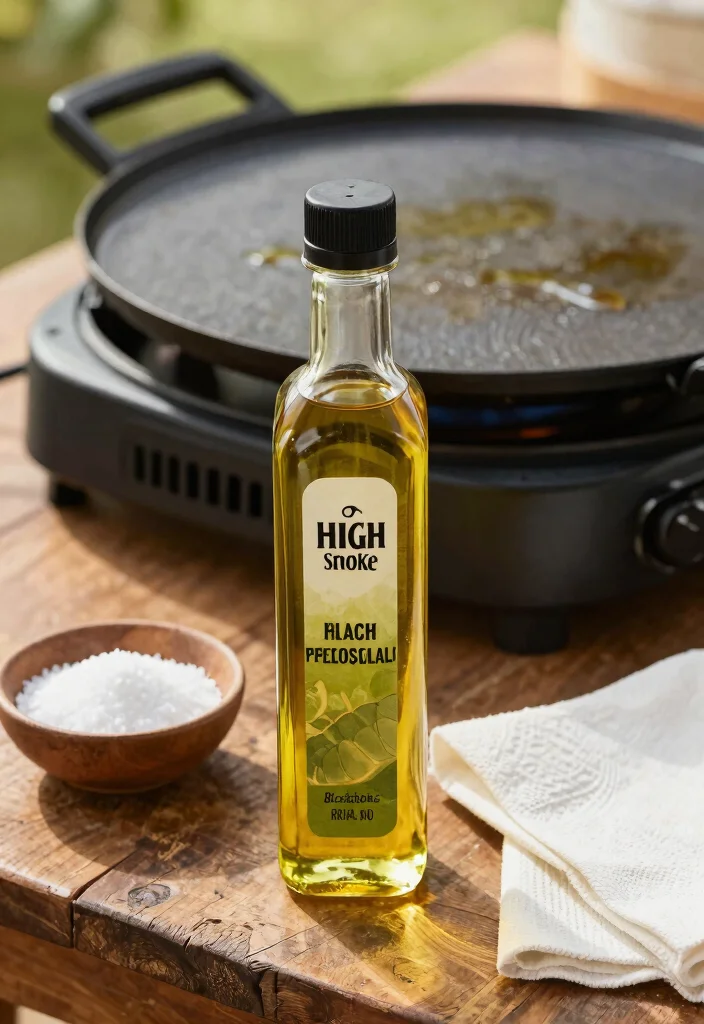
Are you ready to elevate your Blackstone griddle game? The oil you choose plays a vital role in seasoning, offering both protection and flavor enhancement. Oils with high smoke points like flaxseed, canola, and avocado are perfect for this task, as they heat up without burning. Flaxseed oil is particularly well-loved for creating a tough, protective layer that keeps your griddle looking and performing its best. Just remember to apply a thin layer to avoid any sticky build-up, and spread it out evenly with a paper towel or cloth for coverage.
Here are a few tips to consider:
– Use a paper towel for an even application.
– Skip olive oil; its lower smoke point can lead to a gummy texture.
– Try different oils to discover your preferred flavor profile.
Choosing the right oil is essential for both maintaining your griddle and enhancing the taste of your dishes.
Choose the Right Oil
Editor’s Choice





2. Clean Your Griddle Thoroughly
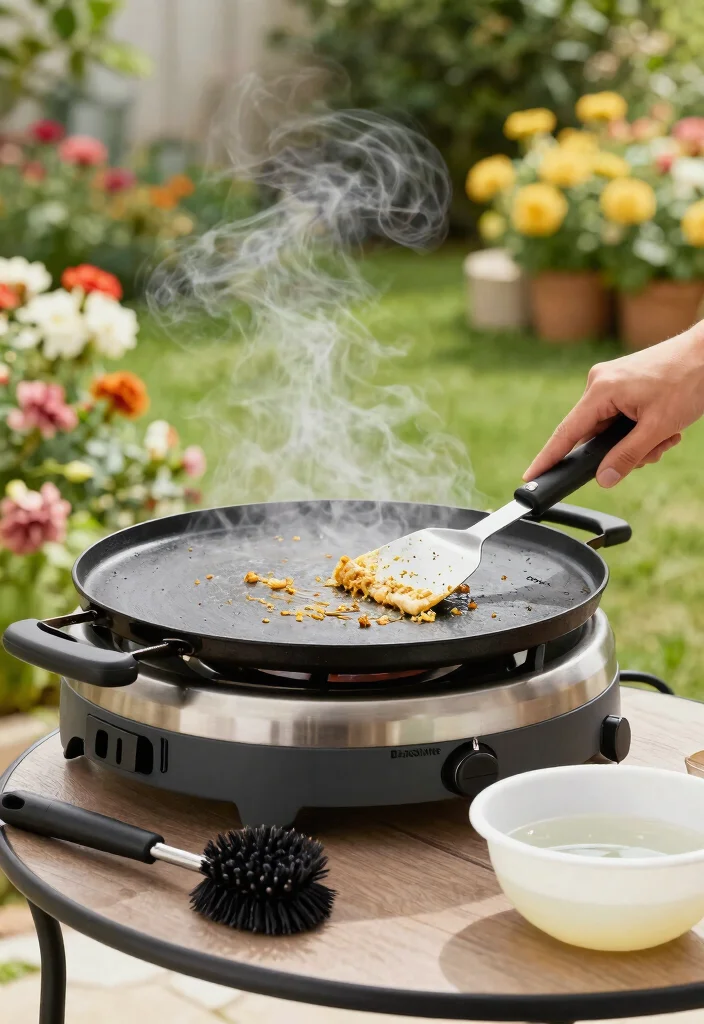
Want a flawless seasoning on your griddle? Start with a spotless surface! Any remaining food particles can disrupt your seasoning efforts, causing uneven cooking. Begin by heating your griddle on high to loosen stuck bits. Once hot, use a scraper or spatula to lift off any residues. Follow up with a good scrub using a griddle cleaning brush and hot water, then rinse and dry the surface completely with cloth or paper towels.
Don’t forget these important cleaning tips:
– Clean after each use to keep your griddle in great shape.
– Avoid harsh chemicals that could harm the surface.
– A griddle scraper is a must-have for tough grime.
Keeping your griddle clean is the first step towards achieving a deliciously seasoned cooking surface.
Clean Your Griddle Thoroughly
Editor’s Choice


![Steam Grill Brush Bristle Free,[Ultra Safe & Efficient] Grill Cleaner fo...](https://m.media-amazon.com/images/I/715qBO50PZL._AC_UL640_QL65_.jpg "7 Pro Tips for Seasoning Blackstone Griddle Top 19")

3. Apply Thin Layers of Seasoning
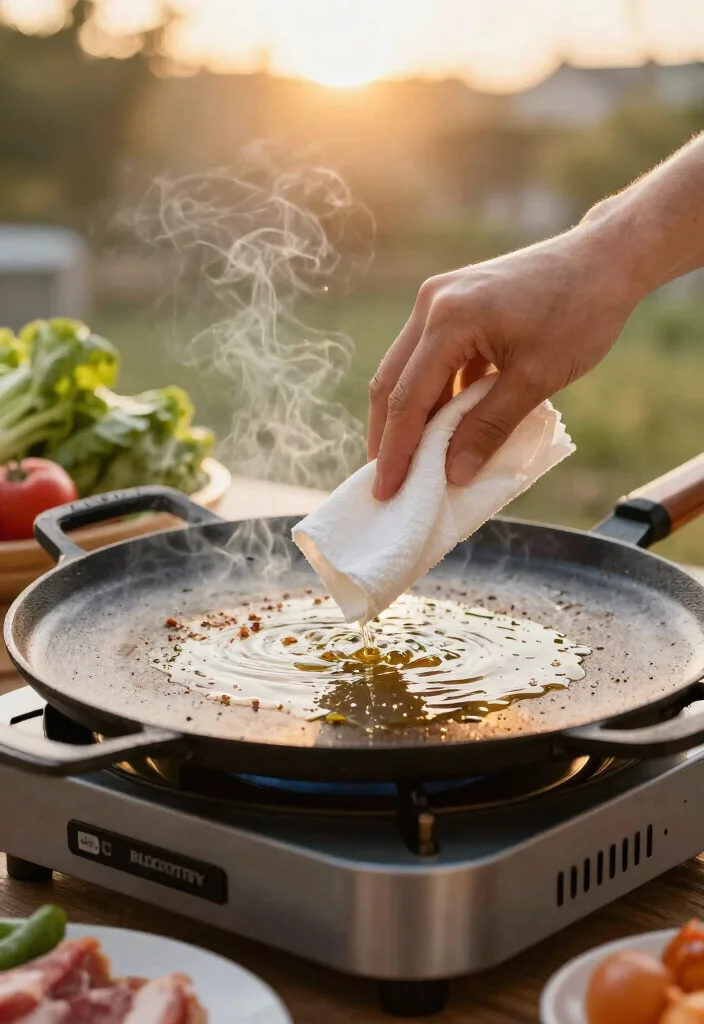
Looking for the secret to a perfectly seasoned griddle? Remember, less is more! Applying thick layers can lead to a sticky finish instead of a beautifully seasoned surface. After cleaning, pour a small amount of oil onto the griddle and spread it evenly. This thin layer will bond with the metal when heated, creating a non-stick coating. Heat your griddle to about 400°F; you’ll know it’s ready when the oil starts to smoke, indicating it’s sealing in that protective layer.
Keep these essential tips in mind:
– Rotate your oil application to prevent pooling.
– Don’t rush the heating; let the oil bond properly.
– Apply multiple thin layers for a strong seasoning over time.
Patience in this process will reward you with great flavors and easy cooking experiences.
Fun fact: 70% of stickiness comes from thick oil layers. For seasoning Blackstone griddle top, a tiny drizzle and a 400°F heat cue seal a non-stick finish—no heavy coats, no sticky surprises, just smooth, practical performance.
Apply Thin Layers of Seasoning
Editor’s Choice


4. Heat and Cool Down Method
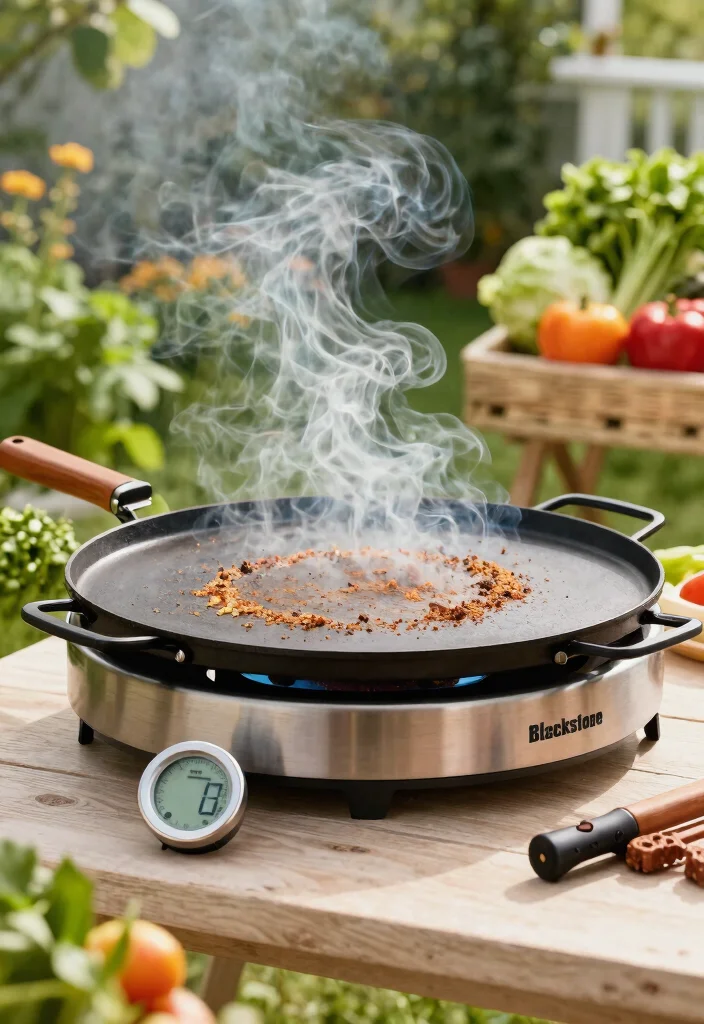
Ready to lock in your seasoning? Start by heating your griddle on high until you see smoke, signaling that the oil is bonding to the surface. This should take around 10 to 15 minutes. After reaching the right temperature, let your griddle cool down naturally. Rapid cooling can warp the metal, so give it time to set the seasoning properly.
Remember these key points:
– Monitor the temperature to avoid overheating.
– Allow it to cool completely before storage.
– Reheat before each use to maintain non-stick properties.
Mastering the heating and cooling process is essential for preserving your griddle’s new seasoning.
Heat and Cool Down Method
Editor’s Choice


5. Regular Maintenance is Key
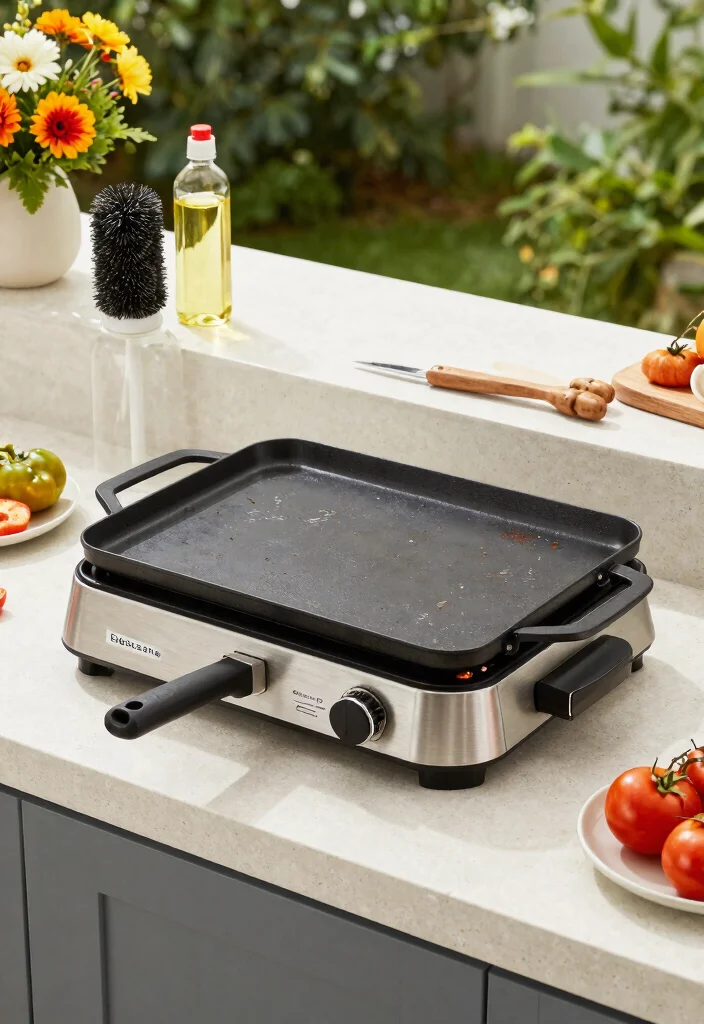
Keeping your Blackstone griddle in top shape goes beyond just seasoning—regular maintenance is crucial! After each use, let it cool slightly, then clean with a scraper and cloth to remove any food particles. This routine helps prevent rust and buildup. If you spot any rust, treat it immediately with a light scrub of oil and a scraper.
Here are some maintenance tips:
– Never skip cleaning; it’s vital for longevity.
– Store your griddle in a dry location to avoid moisture.
– Re-season after heavy use or if wear appears.
Investing time in maintenance will ensure your griddle remains a trusted kitchen companion for outdoor cooking.
Fun fact: Regular maintenance after every cook can boost the longevity of your seasoning blackstone griddle top by 40% and cut rust risk. Clean with a scraper, oil lightly, and store dry—the routine keeps buildup away and your steak nights on track.
6. Use It Often to Build Flavor

Want to truly enhance the seasoning of your Blackstone griddle? Use it often! Each cooking session adds a new layer of flavor, improving not only the non-stick properties but also the taste of your meals. Incorporate a variety of ingredients, from meats to vegetables, as this diversity enriches the seasoning and strengthens its resilience.
Here are some helpful cooking tips:
– Cook a variety of meals to deepen the seasoning.
– Initially avoid overly acidic foods, as they can break down the seasoning.
– Experiment with different recipes to find your favorites!
Frequent use is the key to a well-seasoned surface that delivers delightful flavors and reliable performance.
Use It Often to Build Flavor
Editor’s Choice


Ongoing Maintenance & Care Guide
Maintenance Schedule:
Daily/Weekly Tasks:
– Wipe Down the Griddle: After each use, clean the surface with a spatula and a paper towel to remove food particles. This takes about 5-10 minutes.
– Lightly Oil the Griddle: Apply a thin layer of cooking oil after cleaning to maintain the seasoning. This should take around 5 minutes.
– Check for Rust: Inspect the griddle for any signs of rust, especially after rain or humidity. A quick visual check will take about 2 minutes.
– Preheat Before Cooking: Always preheat your griddle for 10-15 minutes before cooking. This ensures even cooking and helps maintain the seasoning.
Monthly/Seasonal Tasks:
– Deep Clean the Griddle: Scrub the griddle with water and a non-abrasive scrubber. This might take around 20-30 minutes to ensure thorough cleaning without damaging the surface.
– Re-season the Griddle: Apply a new layer of seasoning oil and heat it to create a protective layer. This will take about 30-45 minutes.
– Inspect for Scratches or Damage: Look for any scratches or areas where the seasoning has worn off. If found, you may need to re-season those spots, taking 10-15 minutes.
– Check the Grease Trap: Empty and clean the grease trap to prevent buildup, which can take about 10 minutes.
– Protect from Elements: If storing outdoors, consider covering the griddle to protect it from weather. Setting up a cover will take around 5 minutes.
Maintenance Summary Table:
| Task | Frequency | Difficulty | Time Needed |
|—————————–|——————-|————–|—————|
| Wipe Down the Griddle | Daily/Weekly | Easy | 5-10 minutes |
| Lightly Oil the Griddle | Daily/Weekly | Easy | 5 minutes |
| Check for Rust | Daily/Weekly | Easy | 2 minutes |
| Preheat Before Cooking | Daily/Weekly | Easy | 10-15 minutes |
| Deep Clean the Griddle | Monthly/Seasonal | Moderate | 20-30 minutes |
| Re-season the Griddle | Monthly/Seasonal | Moderate | 30-45 minutes |
| Inspect for Damage | Monthly/Seasonal | Easy | 10-15 minutes |
| Check the Grease Trap | Monthly/Seasonal | Easy | 10 minutes |
| Protect from Elements | Monthly/Seasonal | Easy | 5 minutes |
Common Issues to Watch For:
⚠️ Rust Formation: Look for reddish-brown spots. If you see rust, it means the protective layer is compromised. You’ll need to sand it down and re-season the griddle.
⚠️ Food Sticking: If food frequently sticks to the surface, this indicates that the seasoning is wearing off. A re-seasoning is in order.
⚠️ Uneven Cooking: If some areas heat more than others, it might be time to clean and re-season to ensure even heat distribution.
⚠️ Chipping or Scratches: If you notice chipping, it’s crucial to address it quickly. Damaged areas can develop rust or affect cooking.
⚠️ Bad Smells: A rancid smell suggests old oil is building up. Deep cleaning and a fresh seasoning will resolve this issue.
Care Tips:
💡 Use the Right Oil: Opt for oils with high smoke points, like avocado or canola oil, for better seasoning protection.
💡 Avoid Abrasives: Never use steel wool or harsh chemicals, as they can strip the seasoning and damage the surface.
💡 Store Properly: If possible, store your griddle indoors or under a cover to protect it from the weather. This little step can extend its life significantly.
💡 Cook Regularly: Frequent use not only builds flavor but also helps maintain the seasoning layer. The more you cook, the better it gets!
💡 Stay Consistent: Follow your maintenance schedule diligently. Consistency is key to ensuring your Blackstone griddle lasts for years and cooks perfectly every time!
7. Troubleshooting Common Issues
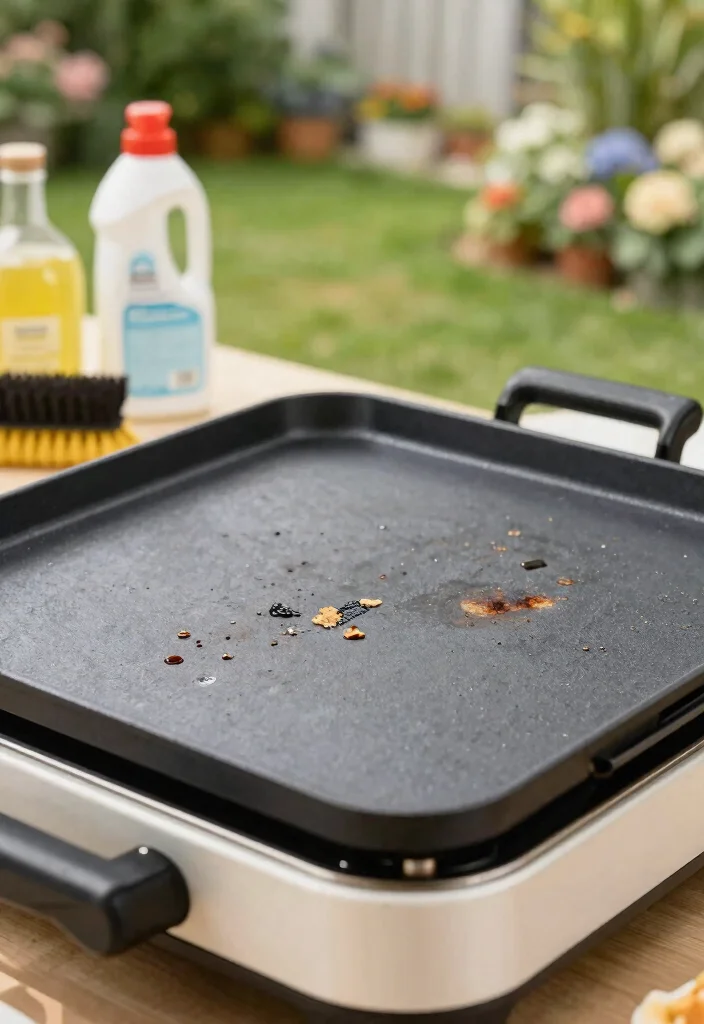
Facing challenges with your griddle? Sticky spots, uneven heating, and rust are common, but they can often be fixed with a bit of care. For sticky surfaces, a thorough clean and re-seasoning usually does the trick. Uneven heating may point to hot spots, requiring adjustments in your cooking method or food distribution. If rust appears, scrub it away and quickly reapply a seasoning layer.
Here’s how to troubleshoot:
– For sticky griddles, clean and reseason promptly.
– Adjust techniques to address hot spots during cooking.
– Regularly check for rust to prevent serious damage.
Understanding these common issues will help keep your Blackstone griddle in excellent shape for all your outdoor cooking adventures.
Sticky spots and rust are just reminders to reseason, not give up. Clean thoroughly, reseason the surface, and keep an eye on hot spots—seasoning blackstone griddle top becomes second nature with a little routine.
Conclusion

Properly seasoning and maintaining your Blackstone griddle top can enhance not only the longevity of your griddle but also the flavor of the meals you prepare. By following these pro tips, you’ll create a non-stick surface that’ll serve you well during every outdoor cooking adventure. Whether it’s a family barbecue or a quiet evening of cooking, your griddle will be ready to shine. Don’t forget to join the conversation and share your own tips on griddle seasoning!
Note: We aim to provide accurate product links, but some may occasionally expire or become unavailable. If this happens, please search directly on Amazon for the product or a suitable alternative.
This post contains Amazon affiliate links, meaning we may earn a small commission if you purchase through our links, at no extra cost to you.
Frequently Asked Questions
What is the simplest method for seasoning Blackstone griddle top for outdoor cooking?
Seasoning the Blackstone griddle top doesn’t have to be complicated. Here’s a straightforward way to do seasoning Blackstone griddle top that builds a durable non-stick patina for great outdoor cooking results.
1) Scrape and clean the surface, then dry it completely.
2) Heat the griddle to about 350–400°F to open the metal pores.
3) Wipe on a very thin coat of a high smoke-point oil (canola, grapeseed, or flaxseed) and wipe away any excess so the surface looks almost dry.
4) Let the oil polymerize as the surface heats and lightly smokes, then wipe clean and repeat 2–3 times.
5) Allow to cool, apply a light film of oil, and you’re set for cooking. With regular use, you’ll maintain a strong cast iron seasoning and keep your griddle in top Blackstone griddle care shape.
What common griddle maintenance mistakes should I avoid when seasoning my Blackstone griddle top?
Avoid these griddle maintenance mistakes to protect your seasoning and keep the surface performing well:
• Using harsh cleaners or soaking the surface, which can strip the seasoning.
• Applying a heavy coat of oil and leaving excess oil to pool instead of wiping it off.
• Not drying the surface completely after cleaning, which can lead to rust.
• Heating the griddle without any oil, which can cause food to stick and wear down the seasoning.
• Using metal scrubbers or rough pads that scratch the surface.
• Skipping follow-up seasoning after heavy use or after a rust spot appears. Keep your outdoor cooking routine in good griddle maintenance shape by staying mindful of cast iron seasoning practices.
How often should I reseason and how can I tell my Blackstone griddle care routine needs refreshing?
You’ll know it’s time to reseason when the surface loses its smooth, non-stick feel, shows dull or rusty patches, or food starts sticking more than usual. A practical cadence is to reseason every few months if you use the griddle frequently, and more often in humid or rainy climates where moisture can affect the seasoning.
Always rely on the signs of wear: cast iron seasoning that’s degraded, or a surface that won’t accept a light oil layer, means it’s time for a quick refresh. Keeping up with griddle maintenance helps your Blackstone griddle care routine stay effective and tasty.
What cooking tips help me get the most non-stick performance after seasoning the griddle top?
Maximize non-stick results with these practical cooking tips after seasoning your griddle top:
• Preheat the surface evenly to a stable temperature before cooking.
• Use a light, even coat of oil or fat and avoid overcrowding pans or foods.
• Start with foods that release easily (eggs, pancakes) to test smoothness, then gradually tackle proteins and veggies.
• Avoid acidic foods on a newly seasoned surface until the seasoning fully bonds.
• Clean promptly after cooking and apply a thin fresh layer of oil for ongoing griddle maintenance and outdoor cooking success.
What tools and products are best for outdoor cooking and cast iron seasoning on a Blackstone griddle?
Gear up with these essentials for effective griddle maintenance and cast iron seasoning on a Blackstone griddle:
• Stainless steel or sturdy plastic scraper for cleaning between uses.
• Heat-resistant gloves and a dry cloth or paper towels for safe oil application.
• A bottle of high smoke-point oil (canola, grapeseed) and optional polymerized oil for robust seasoning.
• A stiff brush or scraper brush for stubbornResidue, plus a non-abrasive scrubber when needed.
• Mild cleaner or plain water for routine cleaning, and a dedicated surface-safe cleaner for tough buildup.
With the right tools, you’ll enjoy effortless outdoor cooking and keep your Blackstone griddle care on point.
![9 Clever Ways to Repurpose Gas Grill Concepts [DIY Guide]](https://edificatum.com/wp-content/uploads/2026/04/9-Clever-Ways-to-Repurpose-Gas-Grill-Concepts-DIY-Guide-150x150.webp)