As grilling season heats up, I find myself craving that delicious, smoky flavor that only a well-seasoned Blackstone griddle can deliver. If you’re like me, you know how important it is to get that perfect sear and flavor in your outdoor cooking. That’s why I created this guide—I want to help you unlock the secrets to griddle seasoning and share the best oil for your Blackstone griddle.
This post is for anyone who loves outdoor cooking, whether you’re a seasoned griller or just starting out. If you care about maintaining your griddle and enhancing your culinary creations, you’re in the right place. Within this guide, you’ll discover practical tips for choosing the right oils, seasoning techniques, and essential maintenance tips to keep your griddle in top shape.
By the end of this article, you’ll be equipped with valuable insights and actionable steps to elevate your griddle cooking experience. You’ll learn about oils that can withstand high heat, how to properly season your griddle, and how to keep it looking and working like new. Let’s dive into these seven tips that will make your Blackstone griddle the star of your outdoor cooking setup!
Key Takeaways
– Choose the Right Oil for High Heat: Opt for oils with high smoke points, like canola or avocado oil, to ensure your griddle can handle high temperatures without burning.
– Embrace Flavored Oils for Unique Tastes: Experiment with oils like sesame or garlic-infused oil to add distinct flavors to your dishes.
– Seasoning Your Griddle: The Proper Technique: Use a thin layer of oil, heat it up, and let it cool to build a durable non-stick surface.
– Consider Specialty Oils for Diverse Recipes: Explore oils like grapeseed or coconut oil, which can enhance specific recipes and offer unique flavor profiles.
– Maintain Your Griddle for Longevity: Regularly clean and store your griddle properly to ensure it lasts for years, making your outdoor cooking effortless.
1. Choose the Right Oil for High Heat
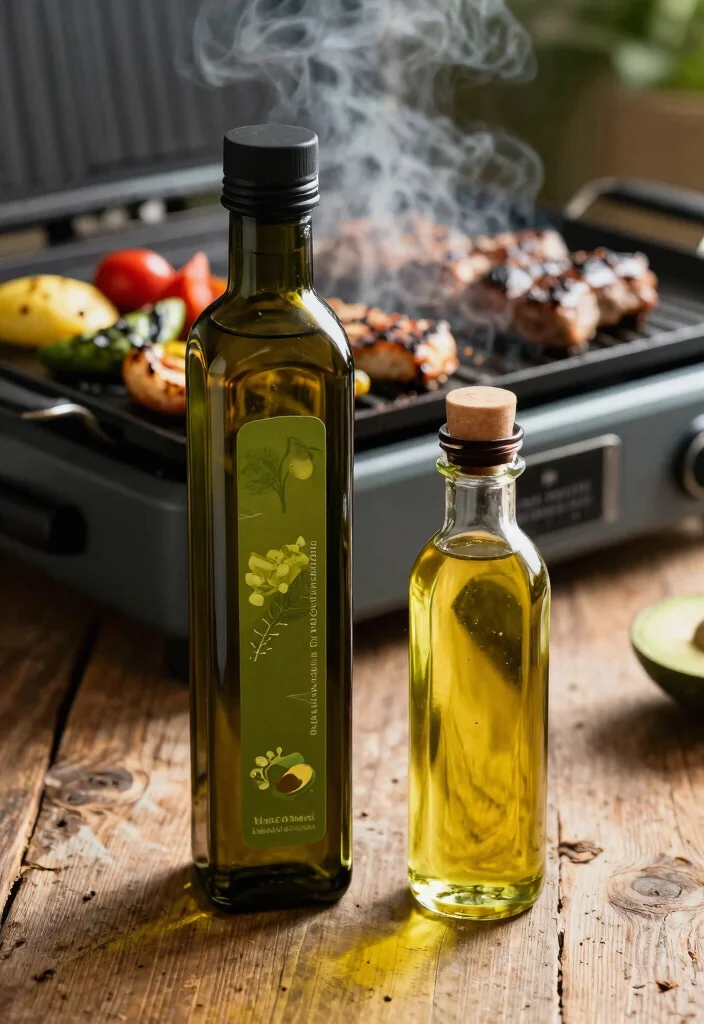
Craving the perfect sear on your grilled favorites? Choosing the right oil is key to achieving that ideal char. For high-heat cooking on your Blackstone griddle, oils with high smoke points are essential. Avocado oil and grapeseed oil shine in this category, allowing you to cook at elevated temperatures without losing flavor or quality. Avocado oil, in particular, is not only versatile but also boasts a mild taste that complements your dishes beautifully.
Look for these important factors when selecting your oil:
– Smoke Point: Aim for oils with smoke points above 400°F.
– Flavor Profile: Choose neutral oils for a wider range of uses.
– Nutritional Benefits: Avocado oil is loaded with healthy fats.
Using the right oil will elevate your grilling experience, making those meats and veggies truly mouthwatering.
Fun fact: Avocado oil tops many cooking oils with a high smoke point, around 520°F, making it a standout choice for the best oil for Blackstone griddle. For high-heat searing, keep it simple and let the flavor shine.
How To Choose the Best Oil for Blackstone Griddle Seasoning
Choosing the right oil for seasoning your Blackstone griddle is essential for maintaining its non-stick surface and enhancing your cooking experience. With so many options available, it can be overwhelming. Here are some key factors to consider when selecting the ideal oil for your griddle.
1. Smoke Point
The smoke point of an oil is the temperature at which it begins to smoke and break down. For griddle seasoning, look for oils with high smoke points, such as avocado oil (around 520°F), grapeseed oil (around 420°F), or canola oil (around 400°F). These oils can withstand the high heat of griddles without burning, ensuring better seasoning and flavor.
2. Flavor Profile
Different oils bring different flavors to your food. If you want a neutral flavor, go for canola or vegetable oil. On the other hand, if you prefer a hint of taste, consider using oils like sesame or olive oil. Just keep in mind that strong flavors can influence the taste of your dishes, so choose wisely based on the meals you plan to cook.
3. Oil Composition
Look at the composition of the oil. Refined oils have a higher smoke point compared to unrefined oils. Unrefined oils retain more nutrients and flavor but might not be suitable for high-temperature cooking. If you’re using your griddle for searing meats, opt for refined oils to get the best results.
4. Health Considerations
When choosing cooking oils, consider their health benefits. Oils high in monounsaturated fats, like olive oil, are generally healthier than those high in saturated fats. If you’re watching your health, consider oils that offer a balance of taste and wellness, such as avocado or olive oil.
5. Availability and Cost
The availability of oil types can vary based on your location. While some specialty oils may be pricier, you can often find cost-effective alternatives that work just as well. When selecting oil, compare prices and quality to ensure you’re getting the best value for your griddle seasoning.
6. Versatility
Choose an oil that can be used not just for seasoning but also for cooking various dishes on your griddle. Oils like avocado and canola oil are versatile enough for different cooking methods, making them great options for your outdoor cooking essentials. This way, you won’t have to store multiple oils.
Pro Tip: Remember to always store your oils in a cool, dark place to extend their shelf life. This helps maintain their flavor and health benefits, ensuring you have the best oil ready when it’s time to season your Blackstone griddle!
2. Embrace Flavored Oils for Unique Tastes
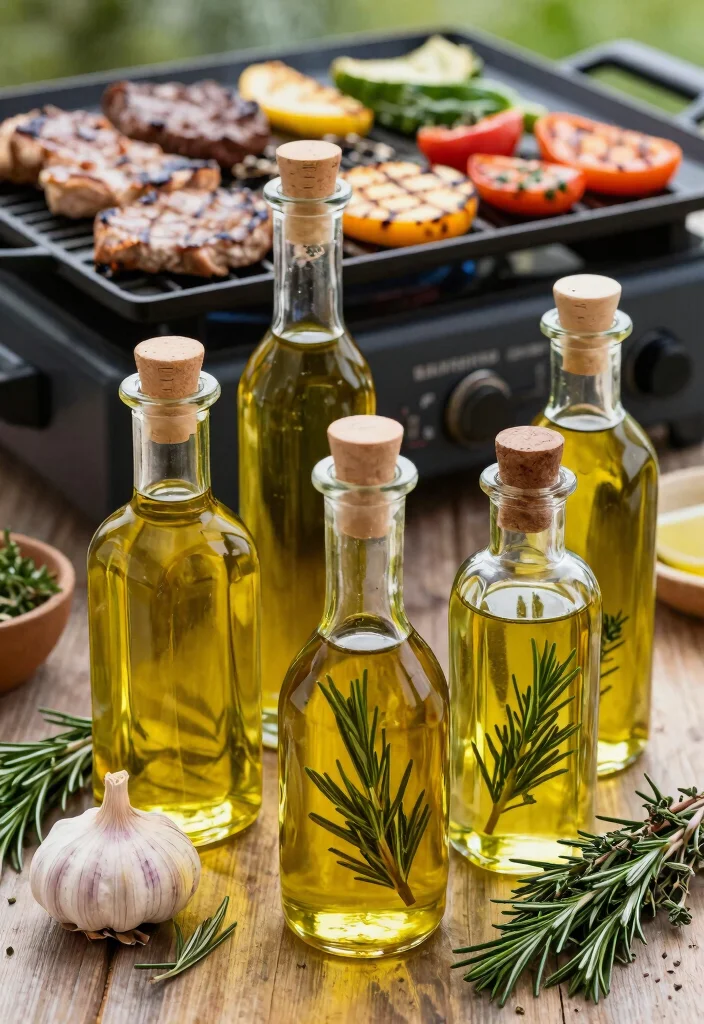
Want to add an exciting twist to your grilling? Flavored oils can elevate your outdoor cooking. Oils infused with garlic, herbs, or chilis can impart gourmet flavors to your meals. For instance, garlic oil can enhance the taste of grilled meats and veggies with its aromatic richness. You can easily craft your own by infusing oil with garlic cloves and fresh herbs like thyme or rosemary.
Here are some tips for incorporating flavored oils:
– Experiment: Try various infusions to discover your favorites.
– Marinate: Use them as marinades for meats or veggies before grilling.
– Drizzle: Finish your dishes with a splash of flavored oil for extra depth.
Your guests will be amazed by the bold flavors you create with these oils.
3. Seasoning Your Griddle: The Proper Technique
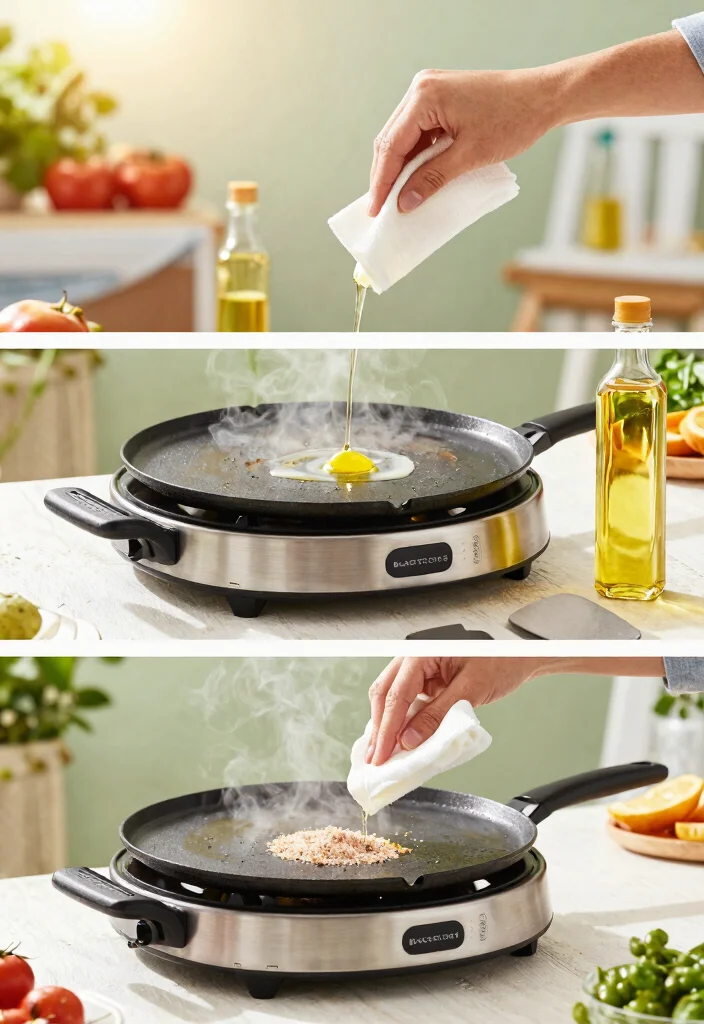
Seasoning your griddle is just as vital as the oil you use. Proper preparation ensures a non-stick surface and prevents rust. Start by heating your griddle until it’s hot, then apply a thin layer of your chosen oil. This technique will help create a durable cooking surface while keeping food from sticking.
Follow these simple steps for effective seasoning:
– Clean Thoroughly: Ensure your surface is free from residues.
– Heat Up: Preheat to about 500°F for best results.
– Apply Oil Sparingly: Use a paper towel to spread a thin, even layer.
– Repeat: Build up layers over time for optimal performance.
Regular seasoning is key to keeping your griddle in top condition, ensuring delicious meals every time.
4. Consider Specialty Oils for Diverse Recipes
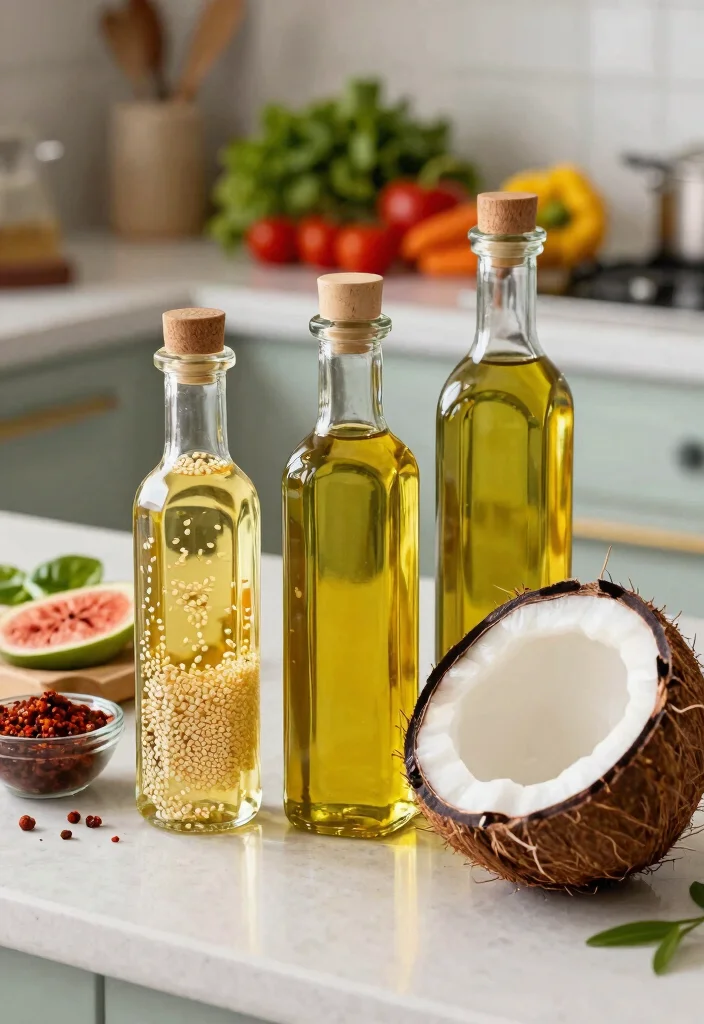
Want to spice up your cooking routine? Specialty oils like sesame oil or coconut oil can add exciting flavors to your meals. Sesame oil offers a delightful nuttiness perfect for Asian dishes, while coconut oil provides a sweet, tropical touch. These unique oils can make your outdoor cooking adventures truly special.
Consider these unique aspects of specialty oils:
– Versatility: Coconut oil works well in both sweet and savory recipes.
– Health Benefits: Sesame oil contains antioxidants and anti-inflammatory properties.
– Cooking Styles: Tailor your oil choice to the cuisine you’re preparing.
Incorporating specialty oils can open up a world of flavors, making every meal an exciting experience.
5. Avoid Low Smoke Point Oils
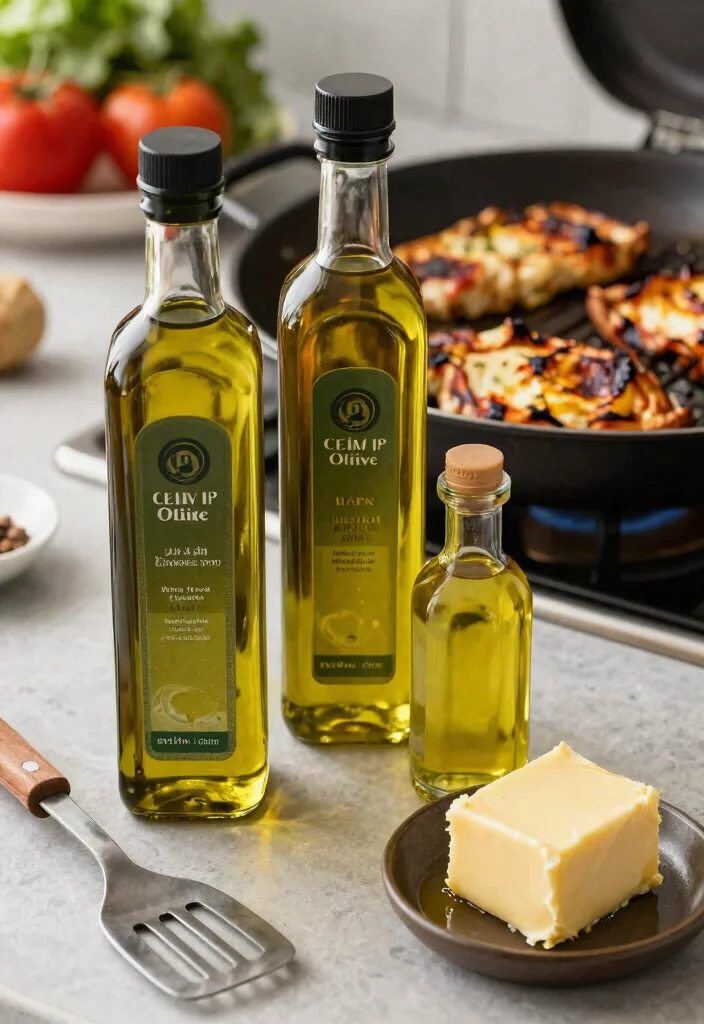
Reaching for oils like olive oil or butter may seem tempting, but be cautious! These oils have low smoke points that can result in burnt flavors when grilling. While olive oil is fantastic for drizzling, it’s not ideal for high-heat cooking.
Here are some common low smoke point oils to avoid:
– Extra virgin olive oil: Best for finishing, not grilling.
– Butter: Burns quickly, leading to an unpleasant taste.
– Flaxseed oil: Healthy, but unsuitable for high temperatures.
Avoiding these oils will help you maintain vibrant flavors while grilling, ensuring each dish is a delight.
Fun fact: olive oil, butter, and flaxseed oil all have low smoke points for high-heat griddling. Olive oil hits around 375–410°F, butter about 302°F, and flaxseed oil roughly 225°F. For the best oil for Blackstone griddle, choose high-smoke-point options.
6. Store Oils Properly for Longevity
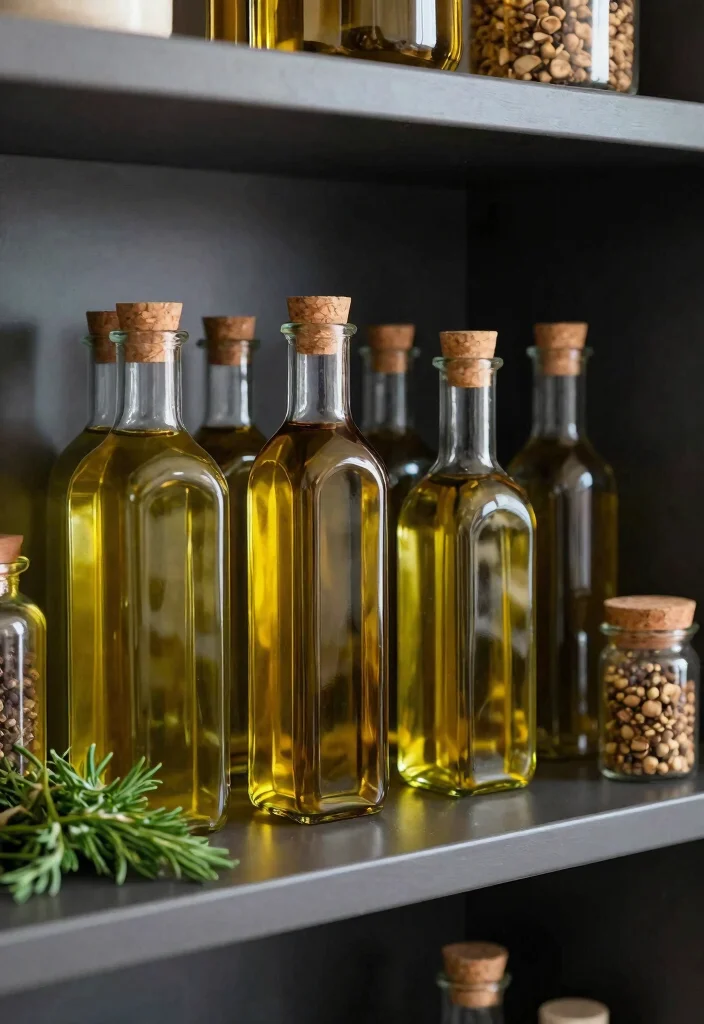
To keep your oils fresh and flavorful, proper storage is essential. Store them in a cool, dark place to prevent rancidity. Avoid heat and light exposure, which can degrade quality. Using airtight containers will help shield against moisture and air.
Here are some storage tips:
– Use glass containers: They preserve flavor better than plastic.
– Label your oils: Track opened dates for freshness.
– Check regularly: Discard any oils that smell or taste off.
Taking these steps will help ensure your oils remain effective for all your grilling needs.
7. Maintain Your Griddle for Longevity
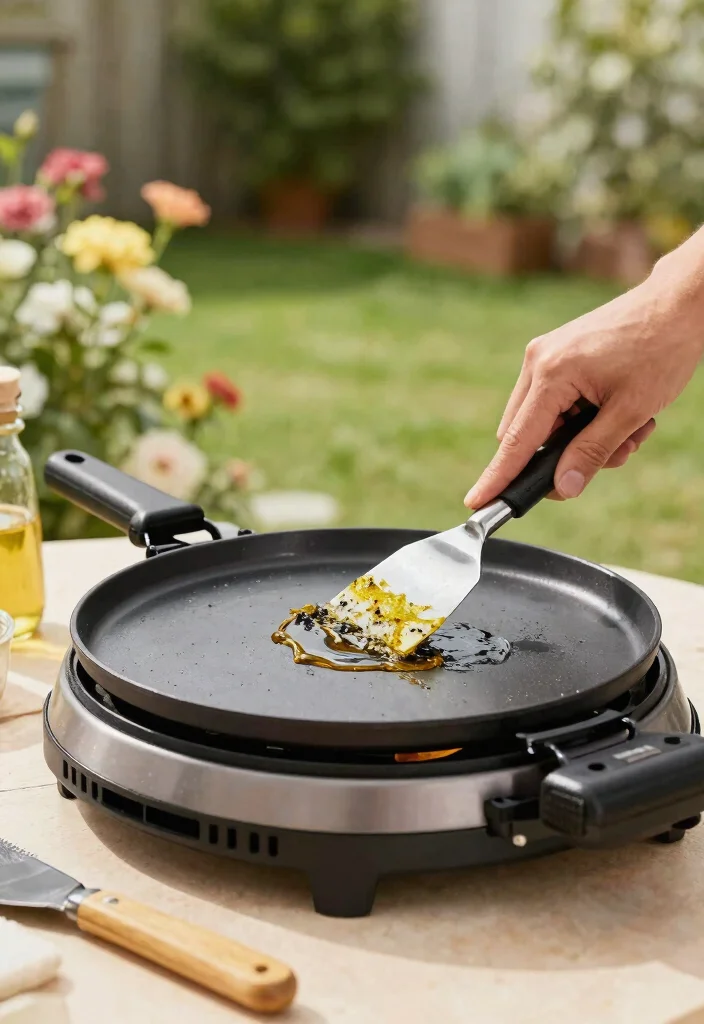
Maintaining your Blackstone griddle is just as crucial as selecting the right oil. Regular cleaning and proper storage will keep your griddle in excellent shape. After each use, scrape off food particles and wipe the surface with a damp cloth. Once cool, apply a light layer of oil to protect the cooking surface.
Key maintenance tips include:
– Regular cleaning: Prevent residue buildup.
– Proper oiling: Always season after cleaning.
– Safe storage: Cover or store your griddle in a dry area.
By investing a little effort in maintenance, you’ll extend your griddle’s life and enjoy delicious grilled meals for years to come.
Fun fact: Regular cleaning after every cook cuts residue buildup by up to 80%. After the griddle cools, wipe and apply a light layer of oil—the best oil for blackstone griddle—to protect the surface and extend its life.
Conclusion
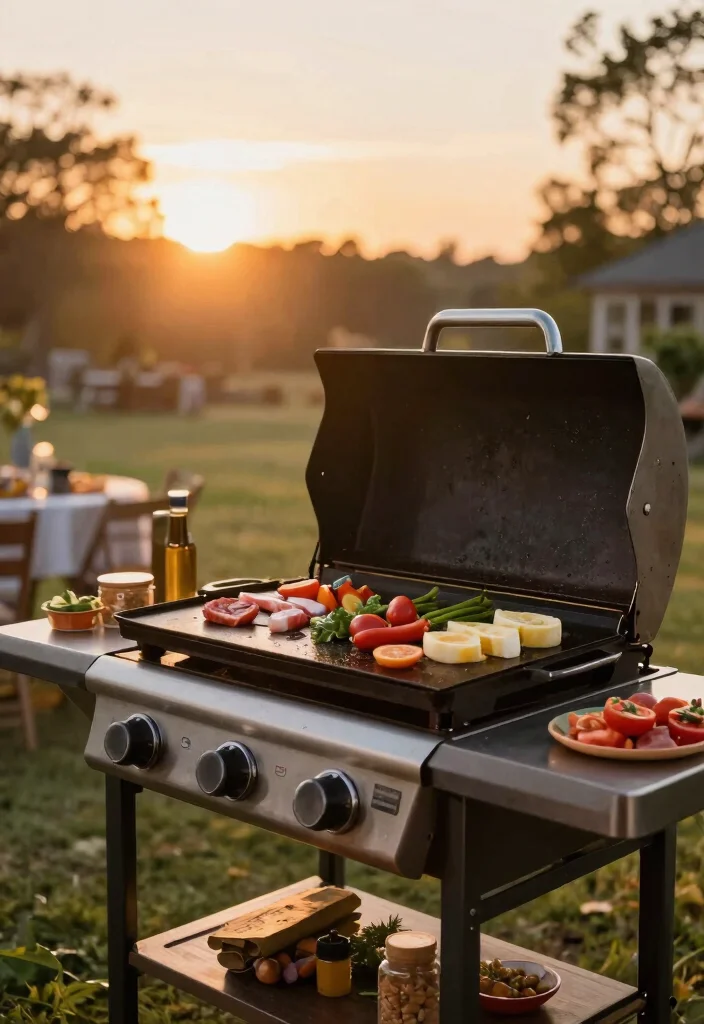
Seasoning and caring for your Blackstone griddle is a beautiful dance of oil selection and maintenance. By choosing the right oils, experimenting with flavors, and committing to regular upkeep, you’ll create a cooking experience that’s nothing short of remarkable. The joy of outdoor cooking awaits, so grab your favorite oil and let the grilling adventures begin!
Note: We aim to provide accurate product links, but some may occasionally expire or become unavailable. If this happens, please search directly on Amazon for the product or a suitable alternative.
This post contains Amazon affiliate links, meaning we may earn a small commission if you purchase through our links, at no extra cost to you.
Frequently Asked Questions
What is the best oil for Blackstone griddle seasoning and why?
Choosing the best oil for Blackstone griddle seasoning comes down to smoke point, polymerization, and how forgiving the oil is. Oils with high smoke points dry into a tough, nonstick layer when heated repeatedly, which makes your griddle easier to clean and use. The most practical options are refined peanut oil, grapeseed oil, and avocado oil—each offering a high smoke point and neutral flavor.
For beginners, try a thin layer of grapeseed or canola oil and heat the griddle until it just starts to shimmer. Wipe away any excess and repeat a few times to build a smooth, even surface.
If you want a tougher polymerized layer, you can experiment with flaxseed oil, but use very thin coats and heat carefully. This approach links to griddle seasoning tips, Blackstone griddle maintenance, and cast iron care basics.
Keep in mind: never flood the surface with oil, and always let the griddle cool between rounds of seasoning.
Which cooking oils work best for griddle seasoning (vegetable oil, olive oil, flaxseed oil, or others)?
When it comes to cooking oils for grilling and griddle seasoning, you want high smoke points and good polymerization. The most reliable choices are refined peanut oil, grapeseed oil, and avocado oil—these give a smooth, durable finish with minimal odor.
Flaxseed oil can produce a very hard coating if used correctly, but it’s trickier to apply and can become sticky if heated unevenly. If you’re new to seasoning, start with grapeseed or peanut oil and add flaxseed later as you gain confidence.
Avoid extra-virgin olive oil for high-heat seasoning, and steer clear of dairy fats like butter, which burn and leave a gummy residue. For cast iron care and long-term Blackstone griddle maintenance, choose neutral oils and apply thin layers after cleaning.
How often should I re-season my Blackstone after cooking on it?
Re-season as soon as you notice the surface losing its sheen or developing dull patches, rust spots, or sticky residue. If food sticks more than usual after cleaning, it’s a signal to refresh the coating.
Here’s a practical routine: while the griddle is warm, scrub with a stiff brush or scraper to remove grime, wipe dry, then apply a very thin layer of oil and heat until the surface just starts to smoke. Repeat once or twice for a robust layer.
Regular, light seasoning is part of good griddle seasoning tips and essential Blackstone griddle maintenance for outdoor cooking.
What are the essential maintenance steps to keep griddle seasoning strong during outdoor cooking?
The core maintenance steps are simple and repeatable: after cooking, while the surface is warm, scrape off food scraps and wipe clean with a cloth; avoid soap if possible to protect the seasoning. Dry the surface thoroughly, then apply a thin coat of high-heat oil and heat until it just starts to smoke. Store with a cover to protect from humidity, and reapply oil periodically to keep the shine.
This routine is at the heart of griddle seasoning tips, Blackstone griddle maintenance, and outdoor cooking essentials for your outdoor kitchen.
Can I use olive oil or butter for seasoning, and what are the pitfalls?
While you might hear about olive oil and butter in cooking, they’re not ideal for seasoning a Blackstone griddle. Extra-virgin olive oil can polymerize unevenly at high heat, leaving a tacky surface, and butter or dairy fats burn quickly, creating sticky, rancid residues.
Stick to high-heat oils like grapeseed, peanut, or avocado for seasoning, and reserve olive oil for finishing flavors if you want. For proper cast iron care, always use thin coats of oil and build up the seasoning gradually as part of your outdoor cooking essentials routine.
![9 Clever Ways to Repurpose Gas Grill Concepts [DIY Guide]](https://edificatum.com/wp-content/uploads/2026/04/9-Clever-Ways-to-Repurpose-Gas-Grill-Concepts-DIY-Guide-150x150.webp)