![11 Best Blackstone Griddle Maintenance Tips [Easy]](https://edificatum.com/wp-content/uploads/2026/04/11-Best-Blackstone-Griddle-Maintenance-Tips-Easy.webp)
If you’ve recently invested in a Blackstone griddle, you’re probably dreaming of delicious outdoor meals. There’s nothing quite like the sizzle of food cooking on a griddle under the open sky. But to keep that griddle performing at its best, you need to give it a little TLC. That’s why I created this post—to help you get the most out of your outdoor cooking experience with the right maintenance tips.
If you’re a fellow outdoor cooking enthusiast or just someone who loves grilling with friends and family, this guide is for you. You care about maintaining your equipment and maximizing your griddle’s lifespan. You want to ensure that each meal is as tasty as the last, without any hiccups along the way.
In this post, I’ve gathered 11 easy Blackstone griddle maintenance tips that are practical and straightforward. These tips will help you keep your griddle in top shape, ensuring that your cooking sessions are enjoyable and hassle-free. From routine cleaning to preventing rust, you’ll get actionable advice that you can implement right away. Let’s dive in and make your outdoor cooking adventures even better!
Key Takeaways
– Regular cleaning is vital for maintaining your Blackstone griddle and preventing food buildup that can affect flavor. Always clean it after each use to keep it ready for your next cooking session.
– Seasoning your griddle enhances its non-stick surface and protects it from rust. Learn the proper seasoning techniques to ensure great results every time you cook.
– Proper storage is crucial for your griddle’s longevity. Cover it when not in use and store it in a dry place to keep unwanted moisture at bay.
– Grease management is key to safety and performance. Use a grease catcher to prevent build-up and reduce fire hazards while cooking.
– Stay informed about your griddle and its maintenance needs. Regularly inspect it for any signs of damage, and follow best practices to keep it operating smoothly.
1. Regular Cleaning
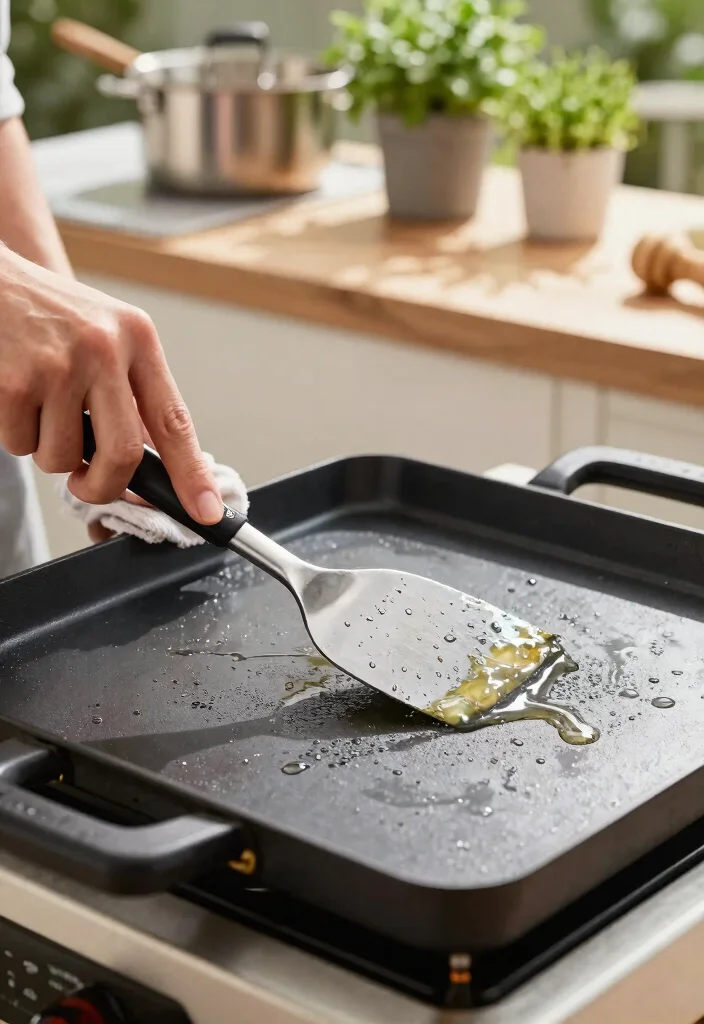
If you want your Blackstone griddle to shine and cook perfectly, regular cleaning is the way to go. After each cooking session, take a moment to scrape off leftover food and grease with a spatula designed for griddles. This simple step prevents build-up that can lead to rust and keeps your cooking experience delightful.
Once you’ve scraped off the bits, grab some warm water and a soft cloth to wipe the surface clean. Avoid harsh chemicals; natural options like vinegar work wonders. Remember to dry your griddle completely to keep moisture away, which can lead to rust. Every few weeks, give it a deep clean using a dedicated griddle cleaner to maintain its non-stick surface. Keeping your griddle clean not only enhances your cooking but also prolongs its lifespan.
– Always scrape after use
– Wipe down with warm water and cloth
– Avoid harsh chemicals
– Use a proper griddle cleaner regularly
– Dry thoroughly after cleaning
2. Seasoning Your Griddle

Want to keep your Blackstone griddle in top shape? Seasoning is the answer! This process creates a protective layer on the surface, making cooking a breeze. All you need is a high smoke point oil like canola or vegetable oil to get started.
Begin by preheating your griddle on medium heat. Once warm, pour a small amount of oil and spread it evenly with a paper towel. Heat until you see a little smoke, then turn off the heat and let it cool. Wipe off any excess oil, and you’re done! Seasoning not only prevents food from sticking but also shields the metal from rust. Aim to do this every few cooking sessions or when the non-stick surface looks worn.
– Use high smoke point oil
– Preheat on medium heat
– Spread oil evenly with paper towel
– Heat until smoking
– Repeat every few uses
3. Proper Storage
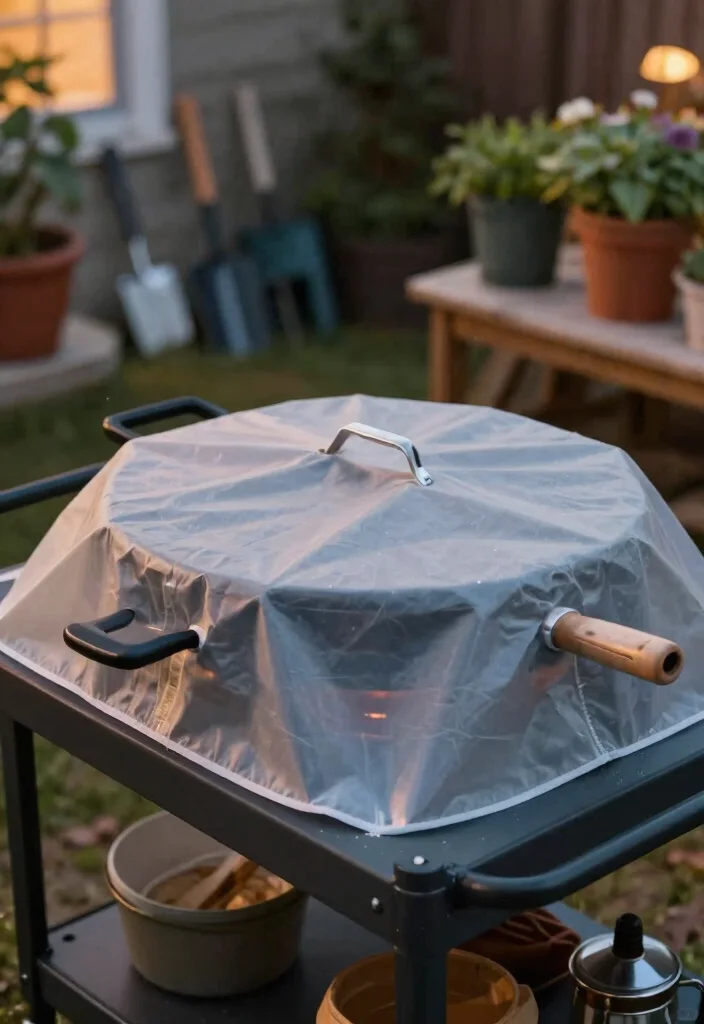
Storing your Blackstone griddle properly can make all the difference in its longevity. Protect it from the elements to avoid rust and damage. If you have the option, keep it indoors in a cool, dry place.
When indoor storage isn’t feasible, invest in a weather-resistant cover made for your model. This will shield it from rain, snow, and sun damage. Be sure to clean and dry the griddle thoroughly before covering it to prevent moisture buildup. If your griddle has a removable cooking surface, take it off and clean it separately for easier storage and maintenance.
– Always clean and dry before storage
– Use a weather-resistant cover
– Store indoors if possible
– Remove cooking surface if applicable
Fun fact: rust can start in as little as 24 hours if a griddle sits uncovered. Proper storage—indoors or under a weather-resistant cover—extends the life of your Blackstone griddle and boosts your Blackstone griddle maintenance tips. Always dry before covering.
4. Use the Right Utensils
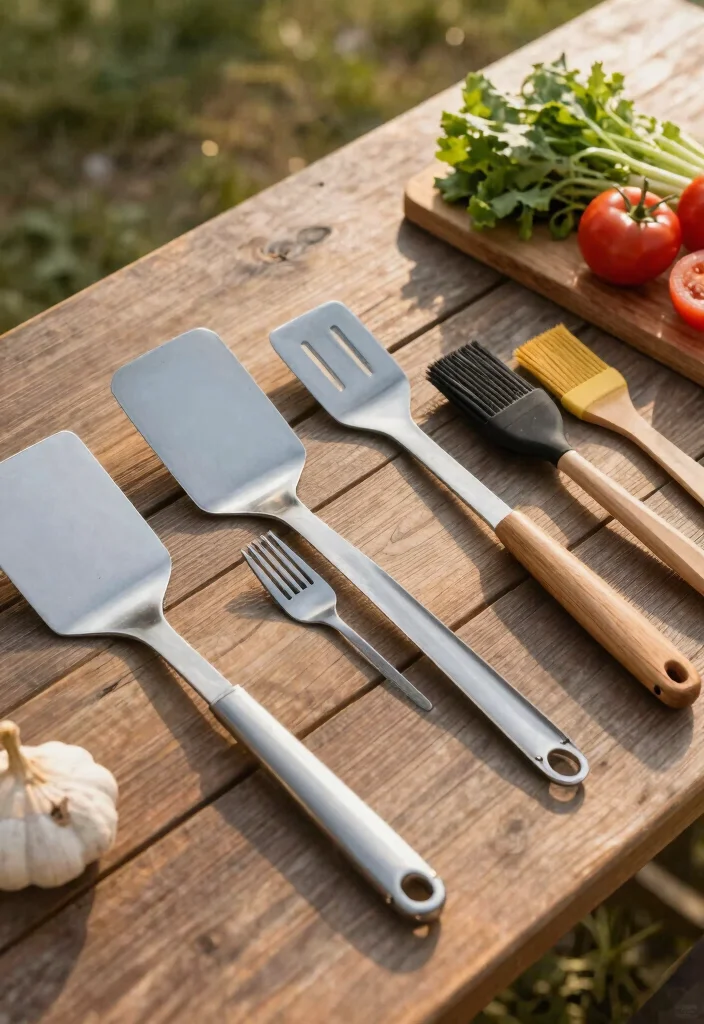
Using the right utensils is crucial for the longevity of your griddle. Stainless steel spatulas work wonders for flipping and moving food without damaging the surface. Stay away from metal tools that can scratch or chip the non-stick coating.
For gentler tasks, opt for heat-resistant utensils made from silicone or wood. These not only protect the cooking surface but also ensure even cooking. Quality tools elevate your cooking experience and make cleaning up a breeze. Investing in a good set of griddle-friendly utensils will help you avoid scratches and enjoy seamless cooking.
– Use stainless steel or silicone utensils
– Avoid metal tools that can scratch
– Invest in heat-resistant utensils
– Choose tools that fit your cooking style
Fun fact: 90% of griddle scratches come from the wrong utensils. Stick to stainless steel for flipping and silicone or wood for delicate tasks—these blackstone griddle maintenance tips protect the surface and make cleanup easier.
5. Avoid Overheating
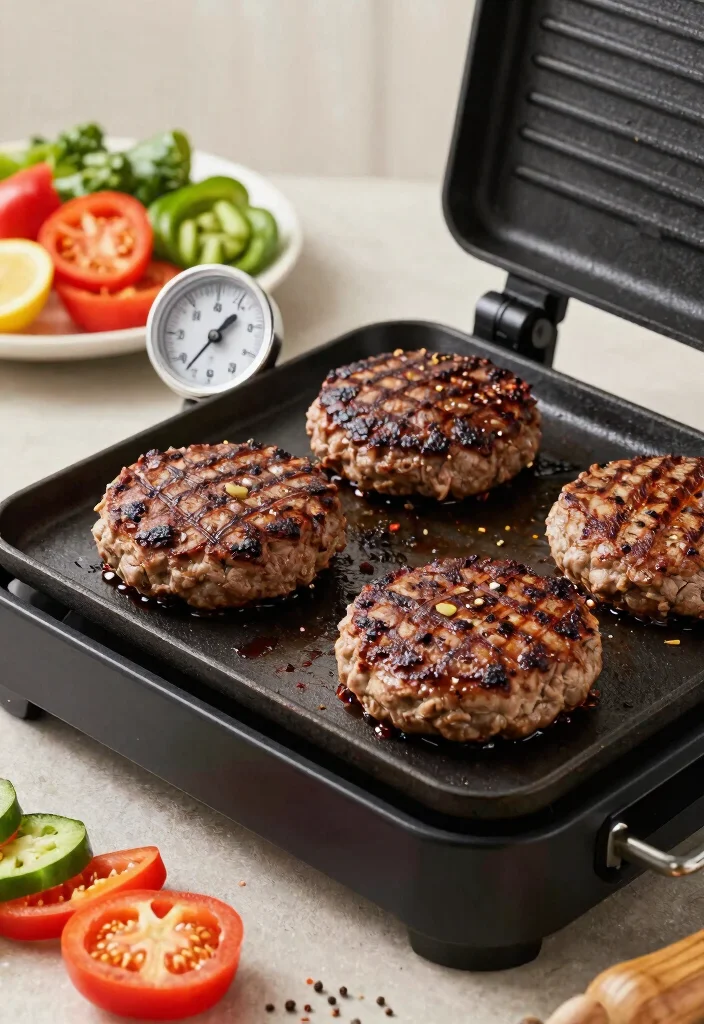
Keeping your griddle from overheating is vital for its performance and surface. While it’s tempting to crank up the heat for quick cooking, high temperatures can damage the non-stick coating and warp the metal.
For best results, preheat your griddle on medium heat and adjust according to what you’re cooking. Monitor cooking times and temperatures to avoid burning food and harming the griddle’s surface. Gradually warming up the griddle ensures even heat distribution and prevents hot spots. Using a thermometer can help confirm your griddle’s temperature is just right before you start cooking.
– Avoid high heat settings
– Preheat on medium heat
– Use a thermometer if necessary
– Monitor cooking times closely
Fun fact: 70% of griddle damage happens when you overheat. Preheat on medium and monitor temps to protect the non-stick coating and prevent hot spots—these simple blackstone griddle maintenance tips keep it cooking evenly.
6. Preventing Rust
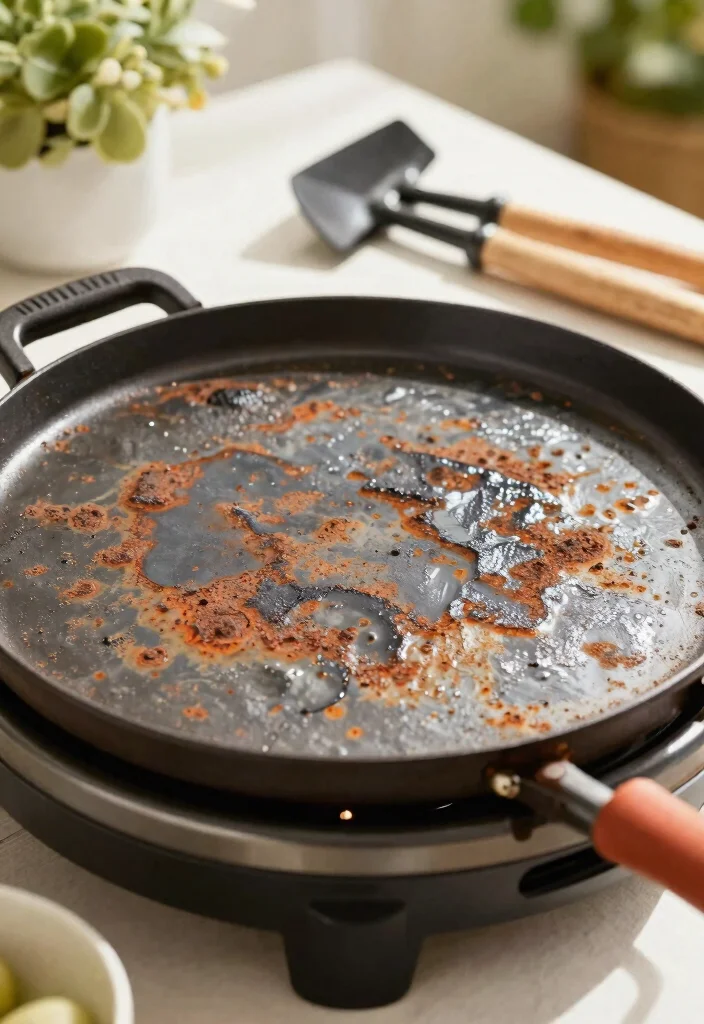
Rust is a griddle owner’s nightmare, but you can keep your Blackstone griddle rust-free with a few simple steps. Start by ensuring it’s always clean and dry before storage since moisture is a rust magnet.
After cleaning, apply a thin layer of cooking oil to create a moisture barrier. If you spot any rust, use a grill brush or scrubber to remove it right away. Store your griddle in a dry place and cover it when outdoors to protect against rust damage. Regular checks after long periods of non-use can catch any issues early.
– Keep griddle clean and dry
– Apply cooking oil after cleaning
– Use a grill brush for rust spots
– Store in a dry area
7. Inspecting for Damage
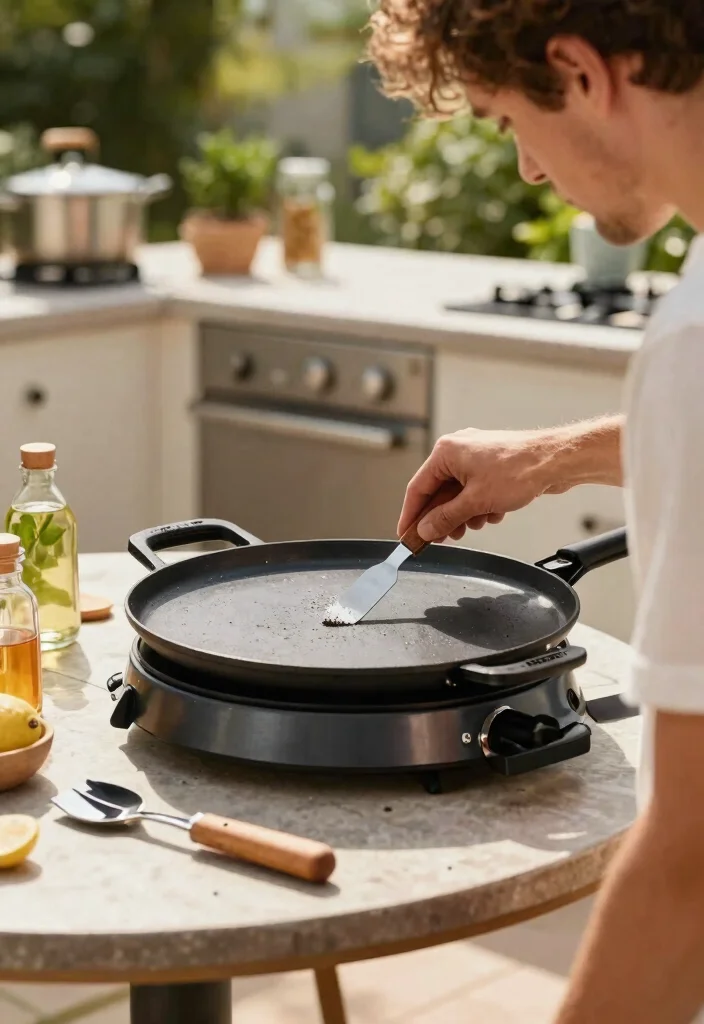
Routine inspections for damage are essential for maintaining your Blackstone griddle. Take the time to check for cracks, warping, or scratches on the cooking surface. Addressing any issues promptly can save you from bigger headaches later on.
If you see minor scratches, seasoning the griddle may be enough to protect it. However, for significant damage, consider contacting the manufacturer for repairs or replacements. Don’t forget to also inspect the grease trap and other components to ensure everything is functioning properly. Keeping everything in great shape means many enjoyable grilling seasons ahead.
– Check for cracks or warping
– Address minor scratches with seasoning
– Inspect grease trap and components
8. Grease Management
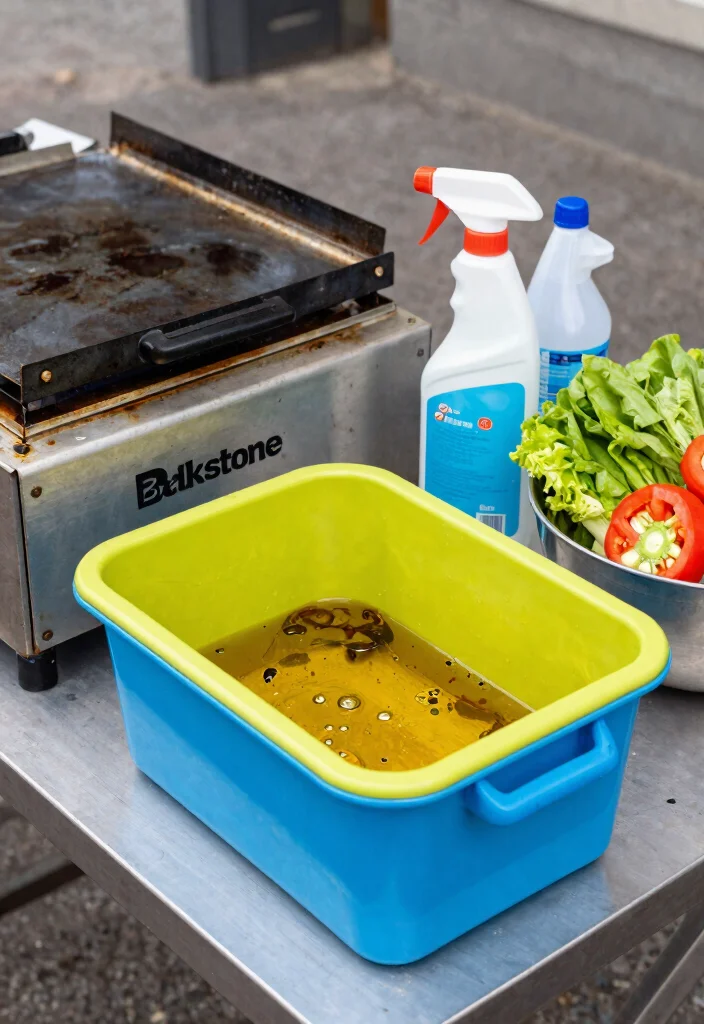
Effective grease management is key for safe and efficient cooking on your griddle. Excess grease can lead to flare-ups, uneven cooking, and safety hazards. Always use the grease trap to catch extra oil, and empty it regularly.
After cooking, let the griddle cool before cleaning the grease trap with warm, soapy water to prevent buildup. A clean grease trap not only ensures safety but also enhances the flavor of your meals. For heavy cooking sessions, consider using a larger container to handle the extra grease. By managing grease proactively, you create a safer cooking environment and maintain your Blackstone griddle’s performance.
– Use the grease trap effectively
– Empty it regularly
– Clean with warm, soapy water
– Consider larger containers for heavy cooking
9. Cooking Temperature Awareness

Understanding cooking temperatures is essential for getting the best results on your Blackstone griddle. Different foods require specific temperatures for optimal flavor and texture. Knowing these can help you avoid overcooking or uneven meals.
For example, vegetables typically cook well at medium heat, while burgers might need higher settings. A meat thermometer is useful for checking meat doneness, ensuring it’s cooked safely and perfectly. Keeping a temperature chart nearby can serve as a handy reference for your outdoor cooking adventures. Mastering cooking temperatures will boost your outdoor culinary skills, impressing everyone with perfectly cooked dishes every time.
– Understand food-specific temperature ranges
– Use a meat thermometer for precision
– Keep a temperature chart handy
Ongoing Maintenance & Care Guide
Maintenance Schedule:
Daily/Weekly Tasks:
– Clean the Cooking Surface: After each use, scrape the griddle surface with a spatula to remove food debris. Wipe it down with a damp cloth. This should take about 10-15 minutes.
– Check for Grease Build-Up: Inspect the grease trap and empty it if it’s full. This can take about 5 minutes.
– Inspect for Damage: Look for any cracks or warping on the cooking surface. This quick check can be done in about 5 minutes.
– Season the Griddle (Weekly): Apply a thin layer of cooking oil to maintain the non-stick surface. This can take about 5 minutes.
Monthly/Seasonal Tasks:
– Deep Clean the Griddle: Use a grill stone or abrasive cleaner to thoroughly clean the cooking surface. This can take about 30-45 minutes.
– Inspect Gas Connections: Check the gas lines and connections for leaks. Use a soap solution to test. This should take about 15 minutes.
– Re-season the Griddle: If you notice food sticking, re-season the griddle by heating it and applying oil. This task can take about 20 minutes.
– Check the Burner Flames: Ensure the flames are blue and even. Adjust if necessary. This will take around 10 minutes.
– Perform a Full Inspection: Every season, conduct a comprehensive check for rust, damage, and performance issues. Allocate about 30 minutes for this.
Maintenance Summary Table:
| Task | Frequency | Difficulty | Time Needed |
|—————————–|——————|————-|————–|
| Clean Cooking Surface | Daily | Easy | 10-15 min |
| Check Grease Build-Up | Daily | Easy | 5 min |
| Inspect for Damage | Daily | Easy | 5 min |
| Season the Griddle | Weekly | Easy | 5 min |
| Deep Clean | Monthly | Moderate | 30-45 min |
| Inspect Gas Connections | Monthly | Moderate | 15 min |
| Re-season Griddle | Monthly | Moderate | 20 min |
| Check Burner Flames | Monthly | Easy | 10 min |
| Perform Full Inspection | Seasonal | Moderate | 30 min |
Common Issues to Watch For:
⚠️ Food Sticking: If food begins to stick to the surface, it may need to be re-seasoned. Check the oil layer regularly to ensure it is effective.
⚠️ Rust Formation: If you see rust spots, it means moisture has been trapped. Clean and season the griddle immediately to prevent further rust.
⚠️ Uneven Flames: If flames are yellow or uneven, check for clogs in the burner. This can affect cooking performance and safety.
⚠️ Cracks or Warping: Inspect the surface for any visible damage. Cracks can compromise the cooking area and need immediate attention.
⚠️ Grease Buildup: If you notice smoke during cooking, it could indicate excess grease. Make sure to clean the grease trap regularly to avoid flare-ups.
Care Tips:
💡 Use the Right Utensils: Avoid metal utensils that can scratch the surface. Opt for silicone or wooden tools to maintain the non-stick coating.
💡 Store Properly: Always cover the griddle with a protective cover when not in use. This prevents dirt and moisture buildup and prolongs its life.
💡 Keep It Dry: After cleaning, make sure the griddle is completely dry before storing it. This will prevent rust formation and keep it in top shape.
💡 Regular Seasoning: Make it a habit to season your griddle after deep cleaning. This will ensure that it remains non-stick and protected from corrosion.
💡 Stay Informed: Keep up with any manufacturer recommendations or updates on maintenance practices. This knowledge can help you stay ahead of potential issues.
10. Learn from Mistakes

Everyone makes mistakes, especially when grilling on a Blackstone griddle! Embracing these missteps is key to improving your griddle skills. Whether it’s overcooking a steak or letting food stick, each mistake offers valuable lessons.
Reflect on what went wrong and how you can avoid it in the future. Don’t hesitate to connect with fellow griddle enthusiasts for tips and support; they often have advice from their own experiences. Keeping a cooking journal to track successes and lessons learned will also enhance your skills and make outdoor cooking more enjoyable as you gain confidence in your techniques.
– Reflect on your cooking experiences
– Seek advice from fellow gridders
– Keep a cooking journal
11. Stay Informed

Staying informed about your Blackstone griddle and outdoor cooking maintenance is crucial for longevity. Follow trusted blogs, join online forums, or subscribe to newsletters that focus on outdoor cooking. These resources often share updates, tips, and fresh ideas to maximize your griddle experience.
Being part of a community keeps you motivated and excited. Share your own experiences while learning new techniques from others. You might even discover new recipes to try out on your griddle! The more you know, the better your grilling experience will be.
– Follow reliable blogs and forums
– Engage with the outdoor cooking community
– Share experiences and learn from others
Conclusion

Maintaining your Blackstone griddle doesn’t have to be a chore. With these easy tips, you can ensure your outdoor cooking equipment stays in great shape, allowing you to enjoy countless grilling adventures.
From regular cleaning to proper storage, each suggestion offers a way to enhance your grilling experience. So gear up, get that griddle sizzling, and fire up those grill skills! Your friends and family are sure to appreciate the delicious meals that come from a well-maintained griddle.
Note: We aim to provide accurate product links, but some may occasionally expire or become unavailable. If this happens, please search directly on Amazon for the product or a suitable alternative.
This post contains Amazon affiliate links, meaning we may earn a small commission if you purchase through our links, at no extra cost to you.
Frequently Asked Questions
What are the essential blackstone griddle maintenance tips every backyard chef should know?
Keeping your blackstone griddle maintenance tips in check is essential for any garden-side cook. After cooking, scrape the surface with a spatula to remove debris, then wipe with a damp cloth. Apply a thin layer of high‑smoke‑point oil to protect the surface and improve griddle care tips for next use. For daily cleaning, avoid harsh soaps on the seasoned surface; warm water and a non‑abrasive pad work best. Periodically re‑season by applying oil and heating until it just smokes. Store the griddle with the surface dry to prevent rust, and inspect burner ports and grease traps to keep heat even. Following these practical steps makes outdoor cooking maintenance a breeze and extends the life of your equipment.
How do I properly season and protect the surface to prevent rust and sticking?
Seasoning creates a protective nonstick layer and guards against rust. Start with a clean, dry surface. Apply a thin coat of high‑smoke‑point oil such as canola or grapeseed across the entire cooking surface. Heat the griddle on high until the oil polymerizes and forms a dark layer, then let it cool and buff off any excess. Repeat 2–3 times for a durable seasoning. After cooking, wipe away moisture and store with a light coating of oil to keep rust at bay. Re‑season every few uses if you cook heavily, or monthly during lighter use. This routine is a core part of blackstone griddle maintenance tips.
What’s the best way to clean stubborn residue and remove rust from a Blackstone griddle?
Stubborn residue calls for patience and the right tools. Heat the griddle to loosen bits, then scrape with a sturdy spatula or scraper. Use a non abrasive pad with warm water to wipe away debris, and avoid harsh cleaners on the seasoned surface. If you spot rust, sprinkle baking soda or apply a vinegar paste, scrub with a nylon pad, rinse and dry. Once the rust is gone, re‑season the surface to restore protection. Regular cleaning prevents buildup and keeps your griddle cooking evenly. This is a key part of your griddle care tips in outdoor cooking maintenance.
How should I weatherproof and store my Blackstone griddle in a garden or outdoor space?
Weatherproofing keeps your griddle ready for garden season after season. After a thorough clean and dry, apply a light coat of oil and let it season before covering. Use a sturdy outdoor cover to shield against rain, sun, and dew. If possible, store the unit in a dry shed or garage during the off season and detach the propane tank when not in use. Make sure the surface stays dry inside the cover and check periodically for any moisture. With these steps, you reduce rust and protect your kitchen equipment upkeep in your backyard.
What common issues can maintenance address, such as uneven heating or flare-ups, and how do I troubleshoot?
Maintenance can tackle common griddle problems before they spoil a cookout. Uneven heating is often caused by dirty burner ports or an imperfect seasoning—clean the ports with a brush and re‑season the surface. Flare ups come from excess oil or fatty foods; keep a controlled thin coating of oil and move foods around to prevent hotspots. Regularly empty and clean the grease trap and consider a light brush under the hood to reduce buildup. Always preheat properly to ensure even heat distribution. Following these outdoor cooking maintenance tips helps you grill with confidence and protect your kitchen equipment upkeep in the garden.
![9 Clever Ways to Repurpose Gas Grill Concepts [DIY Guide]](https://edificatum.com/wp-content/uploads/2026/04/9-Clever-Ways-to-Repurpose-Gas-Grill-Concepts-DIY-Guide-150x150.webp)