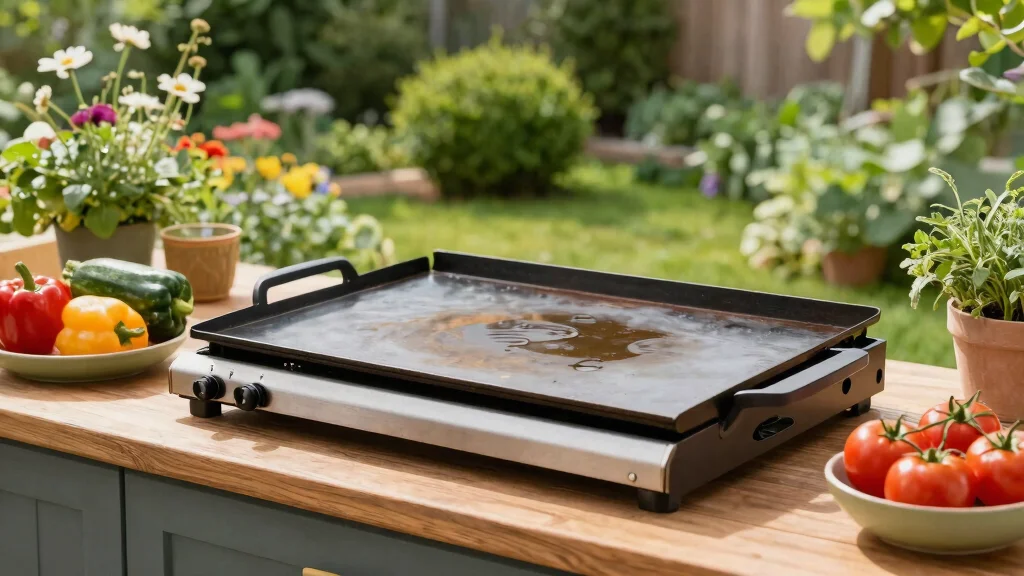
Cleaning a griddle top can sometimes feel like an overwhelming task, especially after a fun day of outdoor cooking or grilling in your garden. I created this post because I know how frustrating it can be to face a dirty griddle after a delicious meal. It’s essential to keep your outdoor cooking equipment in tip-top shape, not just for hygiene but also to maintain the longevity of your griddle. Nobody wants to deal with stubborn grease and burnt residue, right?
If you’re someone who enjoys cooking outdoors, this guide is just for you. Gardeners and outdoor cooking enthusiasts alike will benefit from these simple steps to clean a griddle top quickly and easily. You’ll find that maintaining your cooking surface doesn’t need to be a chore. Instead, it can be a straightforward routine that keeps your griddle ready for your next culinary adventure under the sun.
In this post, I’ve gathered 9 easy steps that will help you clean your griddle top fast. These steps are practical, effective, and designed to save you time. You’ll learn about the supplies you need, quick techniques to remove food residue, and tips for proper maintenance. With these insights, you’ll keep your griddle looking great and functioning well, so you can enjoy delicious garden-cooked meals with ease!
Key Takeaways
– Gather Your Supplies: Before you start cleaning, make sure you have all necessary tools like a scraper, sponge, and soap for an efficient process.
– Preheat the Griddle: A quick heat-up helps loosen stuck-on food, making it easier to clean the surface.
– Scrape Off Food Residue: Use a scraper to remove any leftover bits of food, ensuring the surface is clear before washing.
– Wipe with Soapy Water: Apply soapy water to the griddle to kill bacteria and remove grease. This step is crucial for hygiene.
– Regular Maintenance Routine: Establish a regular cleaning schedule to keep your griddle in excellent condition, prolonging its lifespan and performance.
1. Gather Your Supplies
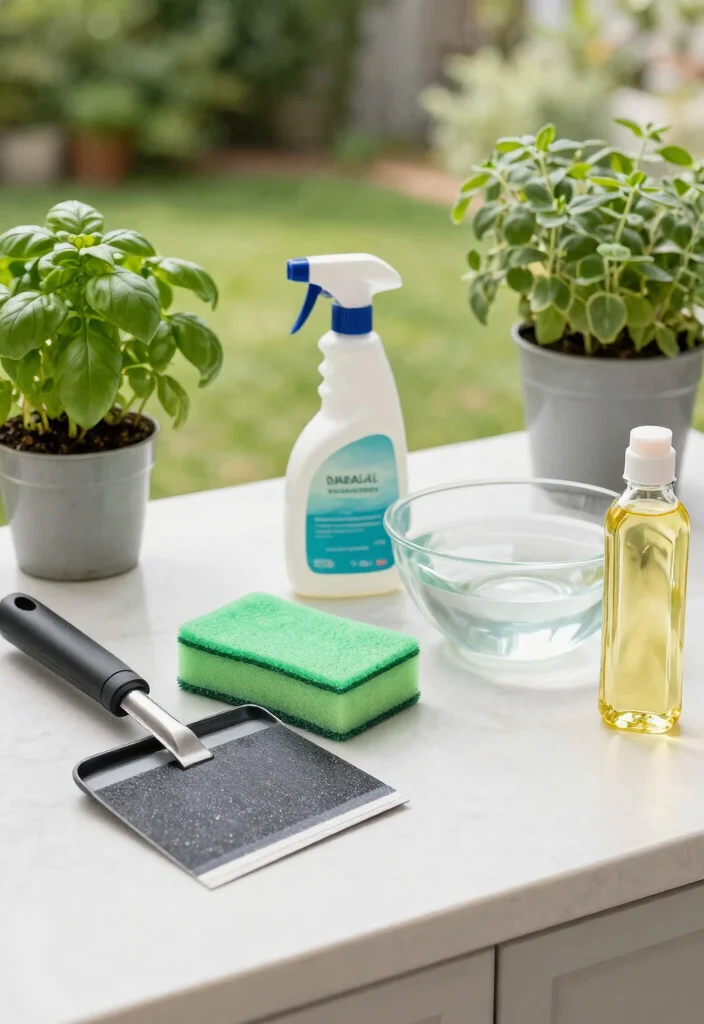
Ready to make your griddle shine? First, gather all your cleaning supplies for a smooth process. You’ll need a griddle scraper, a soft sponge or cloth, warm water, dish soap, and a bit of cooking oil for seasoning afterward.
Supplies Checklist:
– Griddle scraper (metal or plastic)
– Sponge or soft cloth
– Warm water
– Dish soap (non-abrasive)
– Cooking oil (for seasoning post-clean)
Having everything in one place makes cleaning quick and efficient. Choose the right scraper depending on your griddle’s material: plastic for non-stick and metal for cast iron. Don’t forget paper towels or a dry cloth for drying and seasoning after cleaning. Being well-prepared means fewer interruptions when you dive into the cleaning!
Fun fact: Having your supplies ready cuts cleanup time by up to 40%. When you gather a griddle scraper, sponge, warm water, dish soap, and a little cooking oil, you’re setting yourself up for how to clean a griddle top fast.
2. Preheat the Griddle
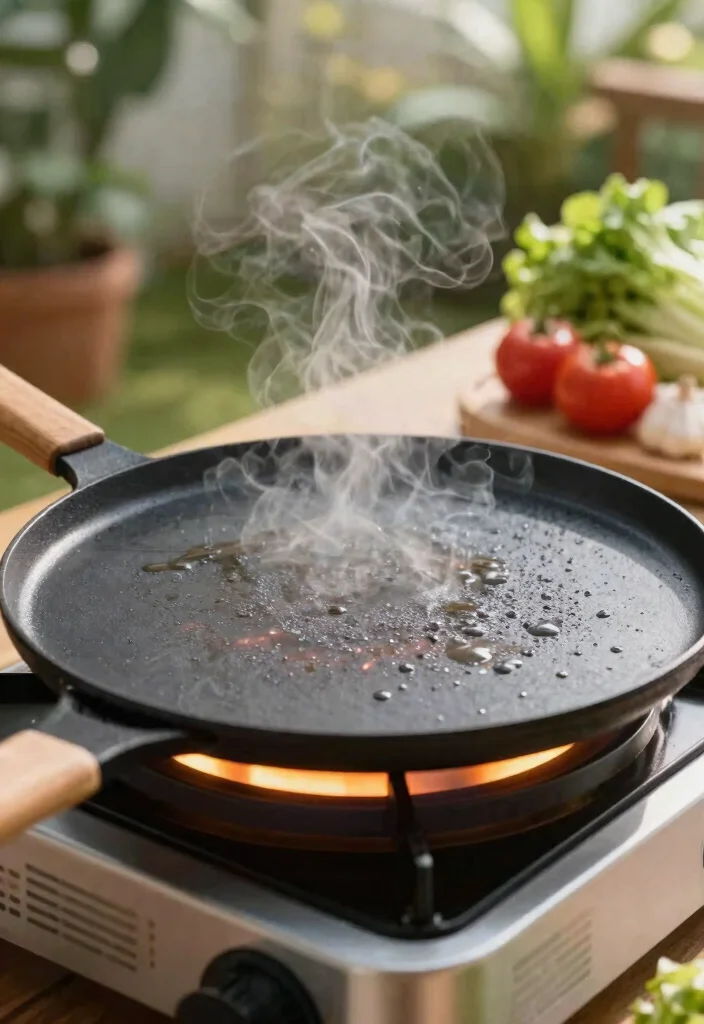
Want to make cleaning your griddle easier? Start by turning it on to a low heat for a few minutes. This gentle warmth helps loosen any stubborn food bits and grease, making your job much simpler.
Just keep an eye on the temperature; too much heat can be risky. After about 5 minutes, you’ll be all set to start scrubbing. Remember to switch off the griddle before you begin cleaning to avoid any burns. A little heat can make a world of difference in your griddle cleaning routine!
3. Scrape Off Food Residue
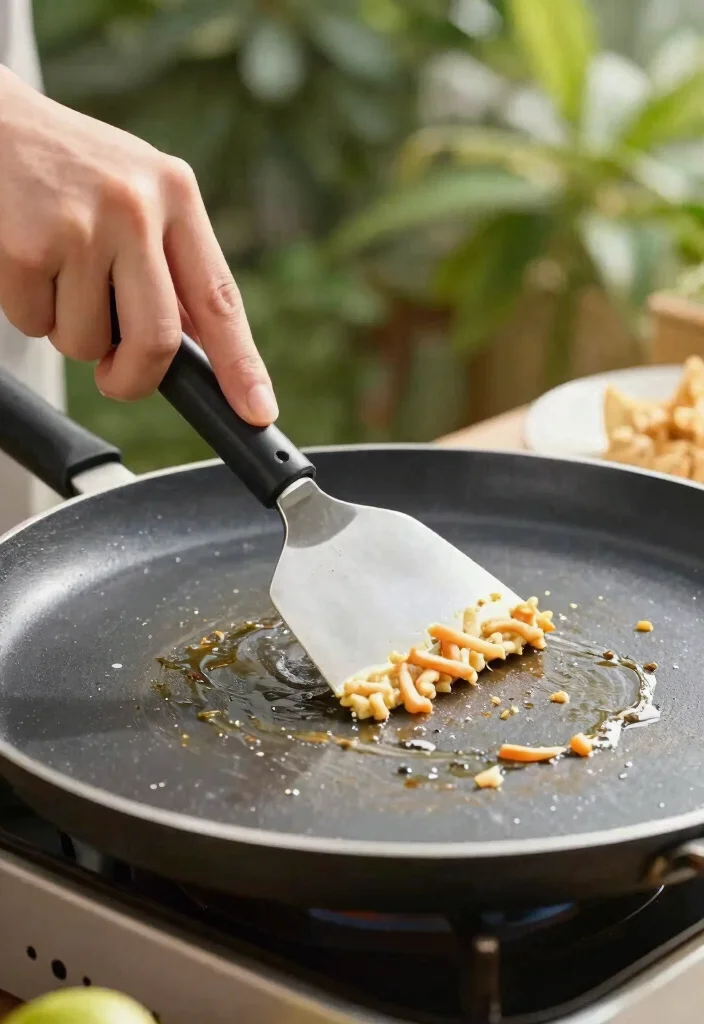
With your griddle warmed up, it’s time to tackle that leftover food! Grab your griddle scraper and start at one end, applying light pressure as you work across the surface.
Scraping in one direction helps prevent scratches while focusing on burnt bits and grease spots. Once you’ve loosened everything, use a damp cloth or sponge to wipe away the debris. This step is vital, as it paves the way for a thorough clean. Regular scraping after each use can save you time and effort in the long run!
Ongoing Maintenance & Care Guide
Maintenance Schedule:
Daily/Weekly Tasks:
– Wipe Down the Griddle: After each use, clean the cooking surface with a damp cloth. This takes about 5-10 minutes. Keeping it clean daily prevents build-up and maintains hygiene.
– Check for Residue: Look for any leftover food particles or grease. This quick check can take around 5 minutes. Removing residue helps avoid unwanted flavors in your next meal.
– Inspect Oil Levels: If you regularly season your griddle, check the oil levels. This should only take a minute. Keeping the right oil amount ensures an even cooking surface.
– Empty the Grease Tray: If your griddle has a grease tray, empty it after every use. This task can be done in about 2-3 minutes. An empty tray reduces the risk of flare-ups when cooking.
Monthly/Seasonal Tasks:
– Deep Clean the Surface: Once a month, scrub the griddle with a grill brush and warm water. This can take about 15-20 minutes. A deep clean removes stubborn stains and ensures the surface is ready for your next cookout.
– Season the Griddle: Apply a thin layer of cooking oil to prevent rust. This process should take around 5-10 minutes. Regular seasoning helps maintain a non-stick surface.
– Check Thermostat Functionality: Test if your griddle heats evenly each month. This check can be done in about 10 minutes. Uneven heating can indicate a need for repairs.
– Inspect Plug and Wiring: Look for any signs of wear or damage. This inspection can be done in about 5 minutes. Damaged wires can be a safety hazard and should be addressed immediately.
– Clean the Exterior: Wipe down the outside of the griddle for aesthetics and cleanliness. This task takes about 5 minutes. A clean exterior adds to the overall presentation and longevity of your equipment.
Maintenance Summary Table:
| Task | Frequency | Difficulty | Time Needed |
|——————————-|—————-|—————-|——————|
| Wipe Down the Griddle | Daily | Easy | 5-10 minutes |
| Check for Residue | Daily | Easy | 5 minutes |
| Inspect Oil Levels | Weekly | Very Easy | 1 minute |
| Empty Grease Tray | Daily | Easy | 2-3 minutes |
| Deep Clean the Surface | Monthly | Moderate | 15-20 minutes |
| Season the Griddle | Monthly | Easy | 5-10 minutes |
| Check Thermostat Functionality | Monthly | Moderate | 10 minutes |
| Inspect Plug and Wiring | Monthly | Moderate | 5 minutes |
| Clean the Exterior | Monthly | Easy | 5 minutes |
Common Issues to Watch For:
⚠️ Uneven Heating: If one part of your griddle is hotter than another, check the thermostat. Uneven heating can ruin your meals.
⚠️ Rust Spots: Find any rust? It’s time to season your griddle. Rust affects the cooking quality and can lead to further damage.
⚠️ Sticking Food: If food starts to stick, the surface may need reseasoning. A non-stick surface is essential for an enjoyable cooking experience.
⚠️ Discoloration: Dark spots or discoloration can indicate burnt residue. Regular cleaning can prevent this issue and maintain the griddle’s appearance.
⚠️ Electrical Issues: Any flickering lights or strange smells from the power source are signs that something is wrong. Stop using the griddle and check the wiring immediately.
Care Tips:
💡 Use the Right Utensils: Avoid metal utensils that can scratch the surface. Opt for silicone or wooden tools to keep the griddle safe.
💡 Always Preheat: Preheating your griddle helps create a better cooking environment. This step can prevent food from sticking.
💡 Store Properly: If not in use, cover your griddle or store it in a dry place. Protecting it from moisture helps avoid rust.
💡 Regularly Check for Wear: Look at the surface and cords for signs of wear. Catching issues early can save costs on repairs.
💡 Follow Manufacturer Guidelines: Each griddle may have specific care instructions. Always refer to the manual for the best maintenance practices.
4. Wipe with Soapy Water
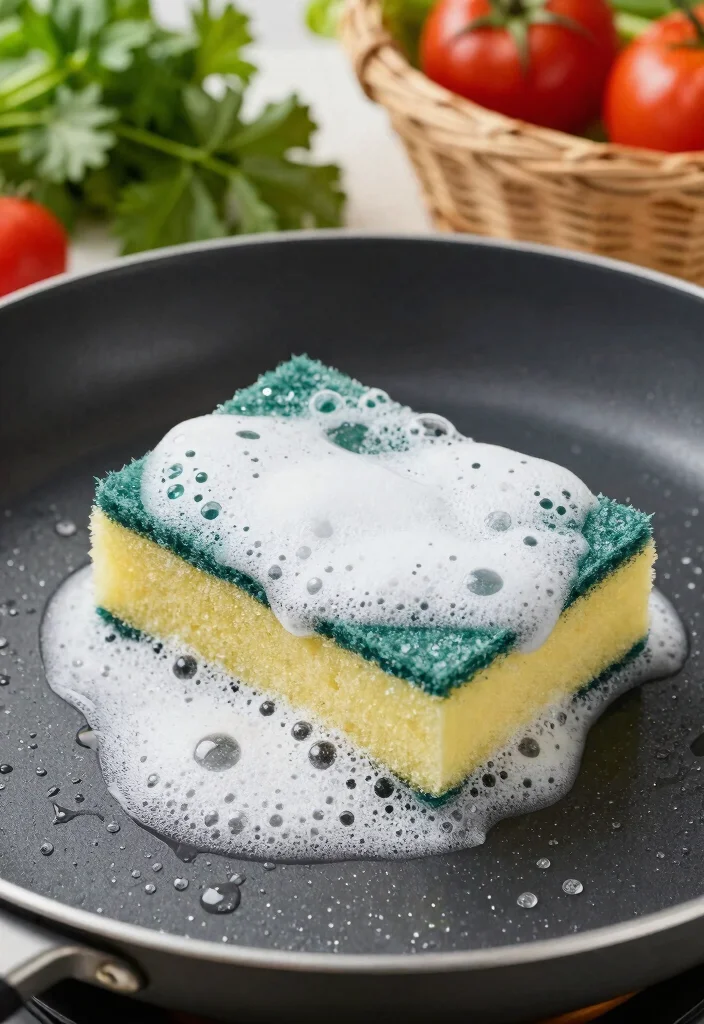
Now that you’ve scraped off the gunk, it’s time for a good wash! Soak your sponge or cloth in warm, soapy water and wipe down the entire griddle surface.
Don’t forget to get into the grooves and corners where grease likes to hide. If needed, reapply soapy water for an even cleaner finish. After scrubbing, rinse the surface with a clean damp cloth to remove any soap residue. Using a mild, non-abrasive dish soap is important to protect your griddle. This step will restore its shine and get it ready for your next cooking adventure!
5. Rinse and Dry
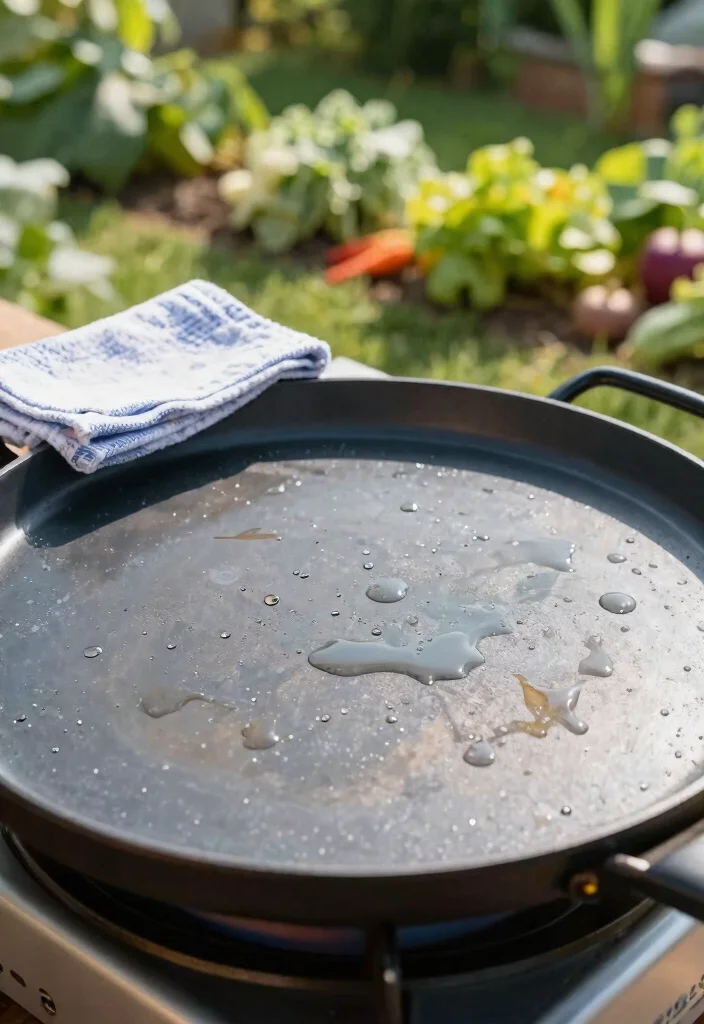
After giving your griddle a thorough wipe, rinsing off all soap residue is essential. Use a clean, damp cloth to carefully wipe the surface again, making sure to hit every spot.
Once rinsed, use a dry cloth or paper towel to pat the surface dry. This helps prevent rust, especially for cast iron griddles. For extra protection, you can leave it on the heat for a minute after drying to evaporate any remaining moisture. This step is vital for keeping your griddle in top shape for years to come!
6. Season Your Griddle
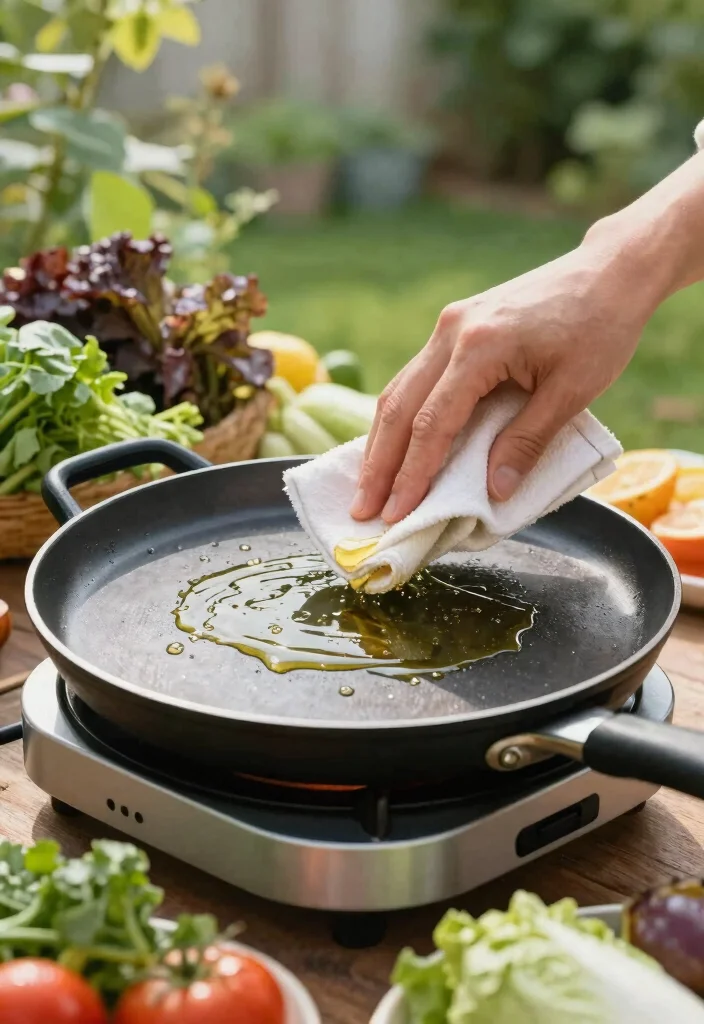
After cleaning and drying, it’s wise to season your griddle before the next use. This step not only maintains a non-stick surface but also protects against rust.
To season, apply a thin layer of cooking oil evenly over the surface using a cloth or paper towel. Then, turn on the griddle to low heat for about 10 minutes, allowing the oil to soak in. Remember, seasoning enhances your cooking experience and extends the life of your griddle. Regular seasoning is a must for outdoor equipment to keep it ready for delicious meals!
Season Your Griddle to protect the surface and simplify meals. Fun fact: a thin oil layer heated for 10 minutes creates a non-stick film that can cut sticking by up to 60%. Regular seasoning extends your griddle’s life for outdoor cooking.
7. Check for Damage
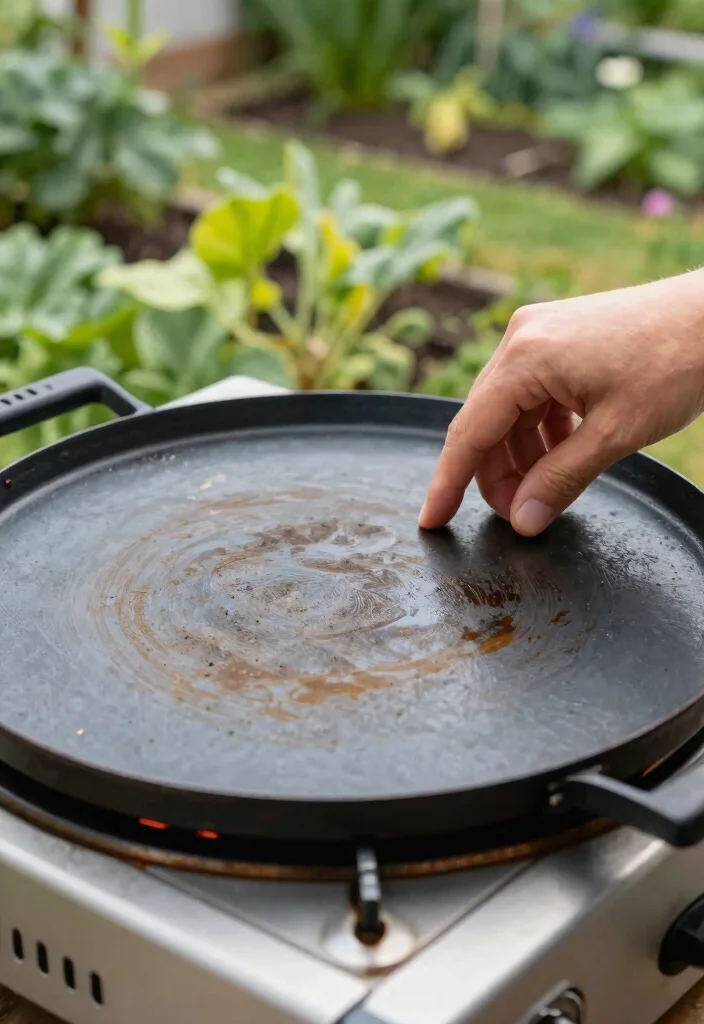
As part of your griddle care routine, regularly check for any signs of damage. Inspect the surface for scratches, rust, or wear after cleaning.
If you spot rust spots, gently remove them with a fine steel wool pad. For deeper scratches, consider using a griddle repair kit to maintain your cooking surface. Keeping an eye on your griddle’s condition ensures it remains safe and ready for all your outdoor cooking adventures. Preventative maintenance can save you time and money in the long run!
8. Store Properly
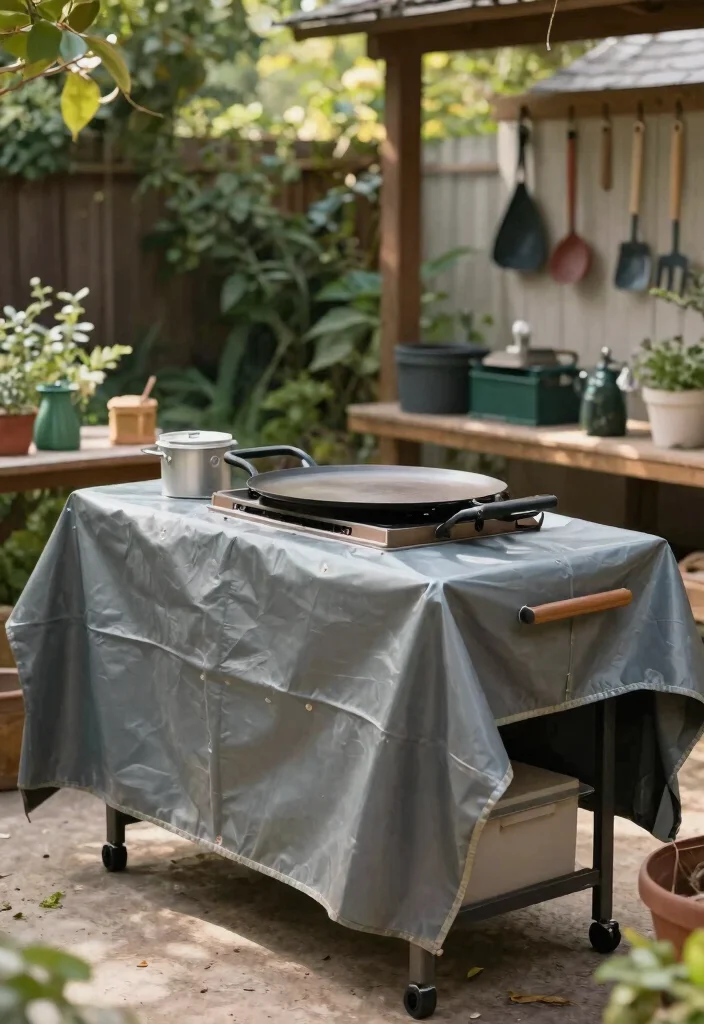
Once your griddle is spotless and seasoned, proper storage is key to its longevity. If you won’t be using it soon, store it in a dry location and cover it with a tarp or griddle cover to keep dust and moisture out.
For cast iron griddles, placing a paper towel between the surface and cover can absorb any moisture that might collect. This small action can significantly extend its life. Storing your griddle safely keeps it rust-free and ready for your next outdoor cooking session!
9. Regular Maintenance Routine
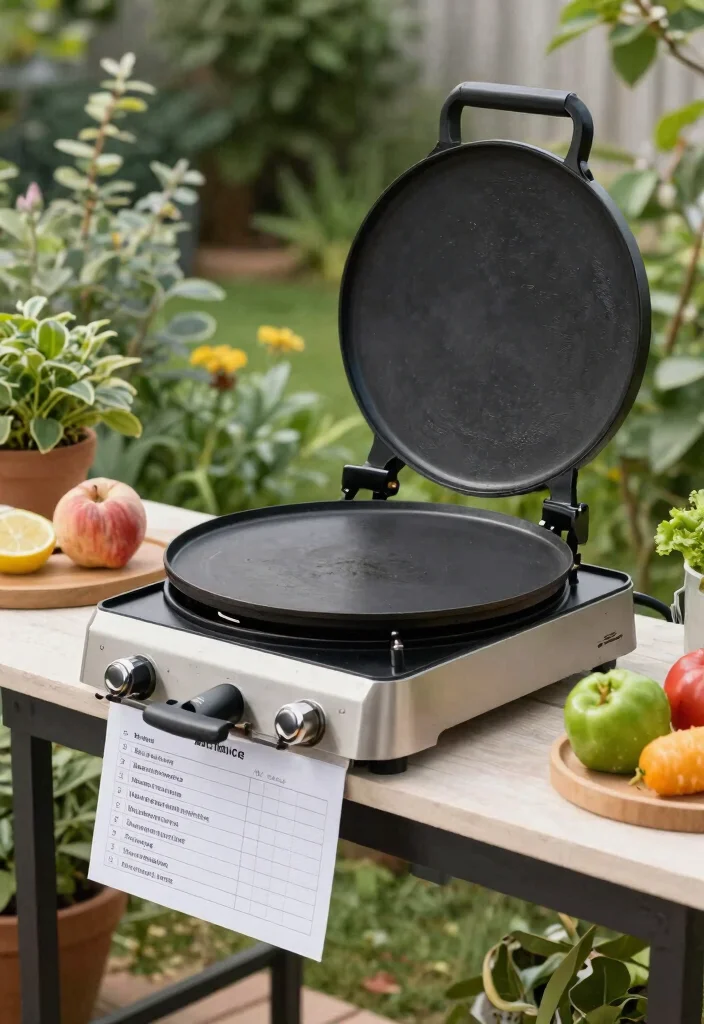
Finally, create a regular maintenance routine to keep your griddle top looking fresh. After each use, make it a habit to scrape off food residue and give it a quick wipe.
Aim for a deeper clean every few weeks based on how often you cook. By building these simple tasks into your cooking routine, you’ll prolong the life of your griddle and ensure every meal is prepared on a clean surface. Consistent care can make your outdoor cooking experience even more enjoyable!
Fun fact: spending just 2 minutes after cooking to scrape and wipe can cut grease buildup by up to 60%. A simple, regular routine on how to clean a griddle top keeps your outdoor kitchen ready for every garden meal.
Conclusion
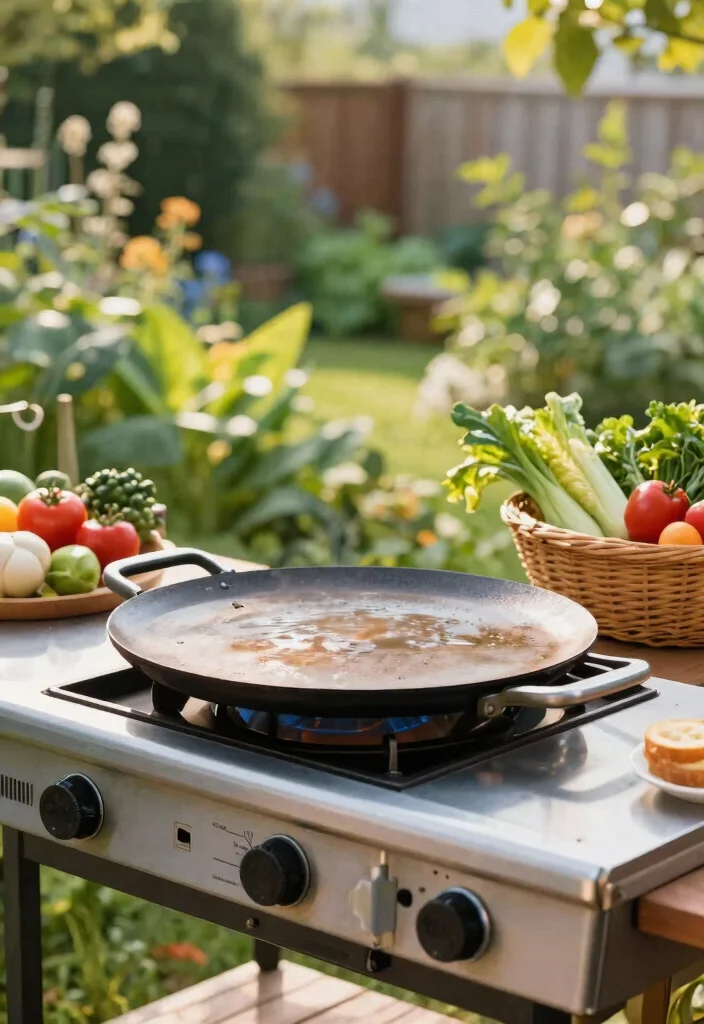
Cleaning a griddle doesn’t have to be a daunting task. Following these easy steps will ensure your outdoor cooking equipment remains in great shape and ready to create delicious meals.
Remember, a clean griddle not only enhances your cooking experience but also prolongs the life of your equipment. So, embrace these griddle cleaning tips and enjoy the art of outdoor cooking along with your gardening adventures!
Note: We aim to provide accurate product links, but some may occasionally expire or become unavailable. If this happens, please search directly on Amazon for the product or a suitable alternative.
This post contains Amazon affiliate links, meaning we may earn a small commission if you purchase through our links, at no extra cost to you.
Frequently Asked Questions
What’s the fastest way to clean a griddle top after outdoor cooking in the garden?
For how to clean a griddle top fast, try this gardener-friendly routine: let the griddle cool briefly, scrape off stuck bits with a sturdy scraper, and wipe away residue with a damp cloth. Do a quick scrub with warm, soapy water using a non-abrasive sponge, then rinse and dry completely. While warm, apply a thin coat of high-heat oil and heat until it shimmers to re-season the surface. Finish with another quick wipe to remove any excess oil. These simple steps fit neatly into your griddle maintenance guide and keep outdoor cooking equipment in prime condition for your garden meals.
What tools and materials do I need for griddle cleaning in an outdoor setup?
Stock your gardener’s cleaning kit with a scraper, a stiff-bristle brush or nylon scrubber, a non-abrasive sponge, warm water, mild dish soap or outdoor griddle cleaner, and a light oil for cooking surface care. Optional degreaser for stubborn spots and a splash of vinegar for mineral build-up, if your surface allows. Keep everything in a weatherproof box so it’s ready after outdoor cooking equipment use, and you’ll nail kitchen maintenance and griddle cleaning tips alike.
Should I use soap on a cast-iron griddle top, and how do I re-season after cleaning?
For cast-iron griddles, gentler is usually better. You can use a small amount of mild soap occasionally, but most gardeners clean with hot water and a brush to protect the seasoned surface. Scrub away stuck bits, rinse, and dry thoroughly. While the surface is still warm, wipe on a light coat of neutral oil and heat the griddle until it shimmers to rebuild the seasoning. Regular maintenance like this helps prevent rust and keeps cooking surface care simple and effective.
How can I prevent sticking and keep my griddle top in good condition during garden cooking?
Preheat properly, then apply a thin layer of oil before cooking to create a slick surface. After use, scrape away food debris, wipe clean, and avoid letting sauce or salt sit on the surface. Clean after each session, dry completely, and store in a dry spot or cover when not in use. Periodically re-season with oil to maintain a protective coating. Following these griddle maintenance tips makes garden meals easier and safer for everyone involved.
What common mistakes should I avoid when cleaning an outdoor griddle top?
Avoid using metal pads on a seasoned surface, never soak a non-enamel griddle for long, and don’t pour cold water on a hot surface—that can warp metal. Don’t skip drying, don’t neglect rust signs, and don’t ignore re-oiling after cleaning. Also avoid harsh chemical cleaners that can leave residues on your cooking surface. By sticking to griddle cleaning tips and the griddle maintenance guide, you’ll keep things safe and tasty.
![9 Clever Ways to Repurpose Gas Grill Concepts [DIY Guide]](https://edificatum.com/wp-content/uploads/2026/04/9-Clever-Ways-to-Repurpose-Gas-Grill-Concepts-DIY-Guide-150x150.webp)