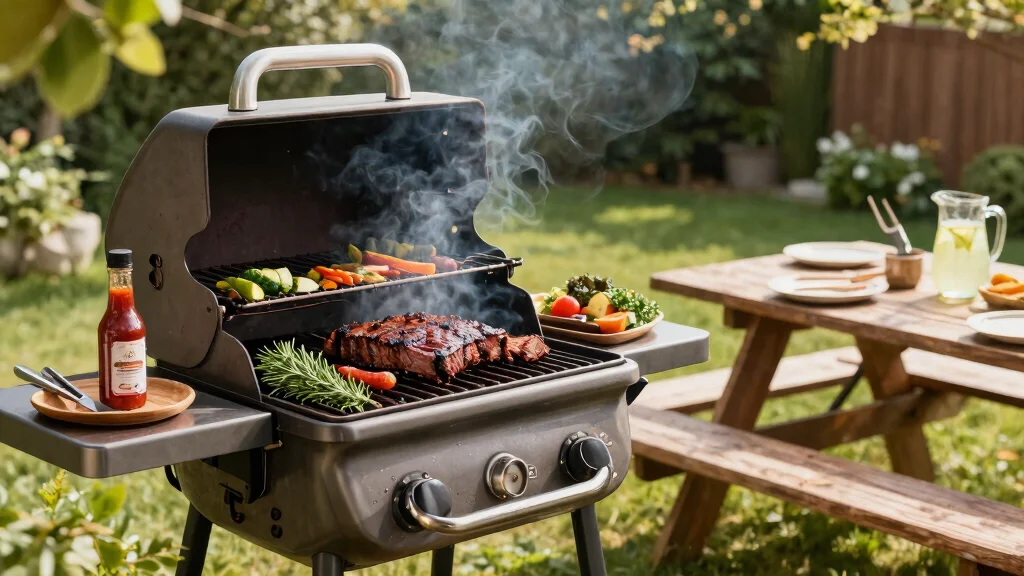
Cooking brisket on a gas grill can feel daunting, but trust me, it’s a rewarding experience that can elevate your outdoor cooking game. As someone who has spent countless weekends trying to master this art, I created this post to share valuable insights that will make your grilling experience both fun and successful. There’s something about the savory aroma of brisket wafting through the air that brings back memories of family barbecues and summer gatherings. If you crave that same mouthwatering flavor at home, you’re in the right place.
This guide is tailored for grilling enthusiasts, whether you’re a seasoned pro or just starting out. If you love outdoor cooking and want to impress friends and family with perfectly cooked brisket, this post is for you. You’ll find practical, step-by-step tips that are easy to follow. From choosing the right cut to mastering the art of basting, these seven pro tips will help you achieve tender, juicy brisket every time. Get ready to fire up your gas grill and impress everyone with your grilling prowess!
Key Takeaways
– Choosing the Right Cut: Opt for a well-marbled brisket, preferably the point cut, for flavor and tenderness. This will help ensure a juicy outcome when grilling.
– The Importance of Marinade: A good marinade enhances flavor and tenderizes the meat. Consider using a mix of spices and acidic ingredients like vinegar or citrus juice.
– Setting Up Your Gas Grill for Indirect Heat: Arrange your burners so that one side is hot and the other is cooler. This method is key for slow cooking brisket without burning it.
– Smoking Brisket with Wood Chips: For authentic flavor, add wood chips to your gas grill. Soak them beforehand and place them in a smoker box or wrap them in foil to create delicious smoke.
– Resting Before Serving: Always allow your brisket to rest for at least 30 minutes after cooking. This helps redistribute the juices, ensuring every bite is flavorful and moist.
1. Choosing the Right Cut
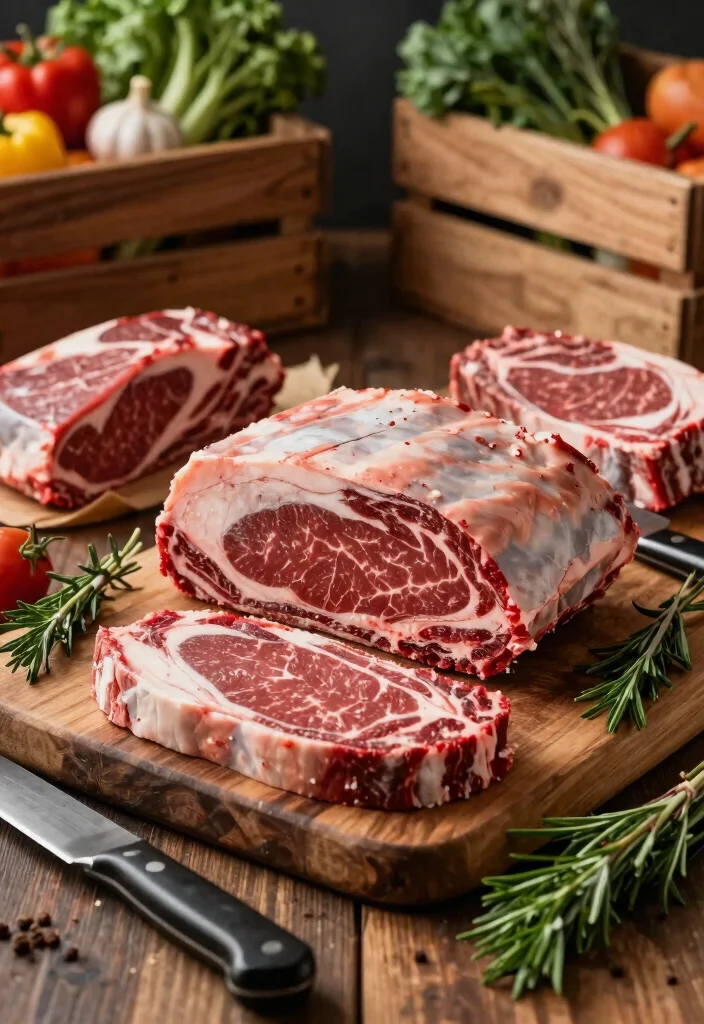
Are you ready to embark on a brisket adventure? Picking the perfect cut is your first step toward a mouthwatering experience. A whole packer brisket, which includes both the flat and the point, offers a delightful mix of flavors and textures that will elevate your grilling game.
Focus on these tips for the best selection:
– Look for marbling: A good brisket should have a nice distribution of fat, which ensures flavor and moisture.
– Check the weight: Most packer briskets weigh between 10 to 15 pounds, so choose one that suits your needs.
– Don’t shy away from the fat cap: This layer keeps the meat juicy while cooking and adds incredible flavor.
Once you’ve found the ideal brisket, trim it properly, leaving about a quarter-inch of fat to enhance that delicious flavor as it cooks.
Choosing the right cut is where the flavor starts—look for good marbling and the right weight. Your best way to cook brisket on a gas grill hinges on quality. When you grab a packer brisket with even fat, moisture stays locked in and every bite shines.
2. The Importance of Marinade
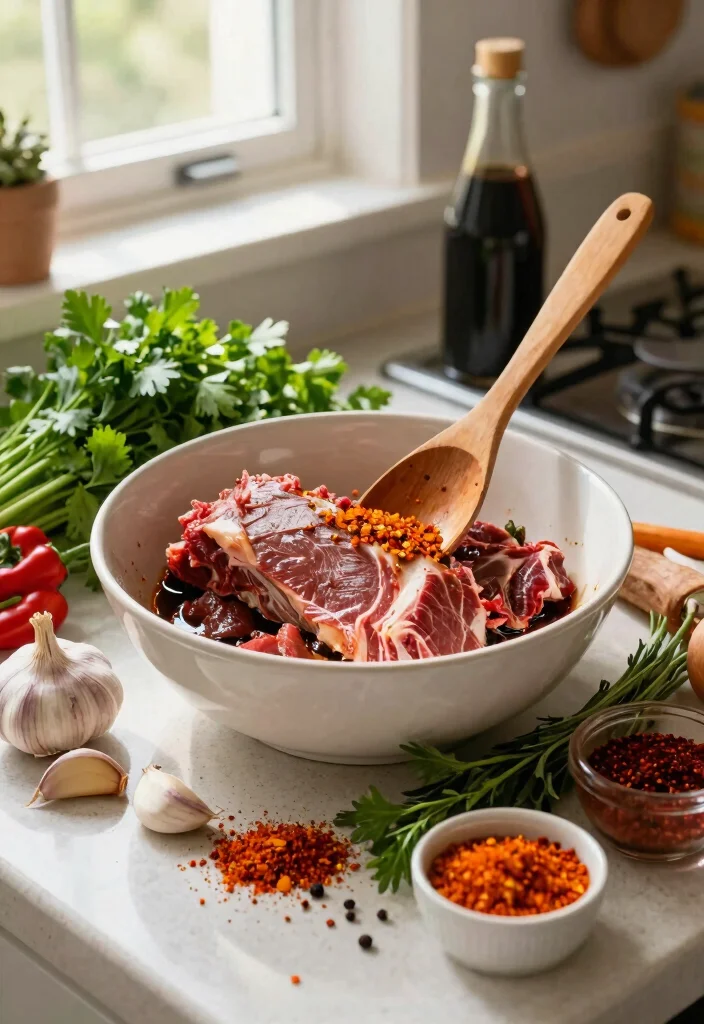
Craving that perfect brisket? Marinating is your secret weapon! A well-crafted marinade not only imparts flavor but also tenderizes the meat, making every bite melt in your mouth. You can keep it simple with olive oil, garlic, salt, pepper, and your favorite herbs, or go bold with a mix of soy sauce, brown sugar, and apple cider vinegar.
Here’s why marinating is a must:
– Flavor infusion: A good marinade seeps into the brisket, enhancing its natural flavors.
– Tenderizing effect: The acids help break down tough fibers, resulting in a tender bite.
– Time to shine: Allow at least 12-24 hours for your brisket to soak up those delicious flavors. Remember, patience pays off!
After marinating, let your brisket come to room temperature before grilling for even cooking.
Fun fact: A 6–12 hour marinade can dramatically boost flavor infusion and tenderness, turning brisket into melt-in-your-mouth goodness. Even a simple mix of olive oil, garlic, salt, and pepper does the heavy lifting. For the best way to cook brisket on gas grill, marinate first and let flavors wake up.
3. Setting Up Your Gas Grill for Indirect Heat
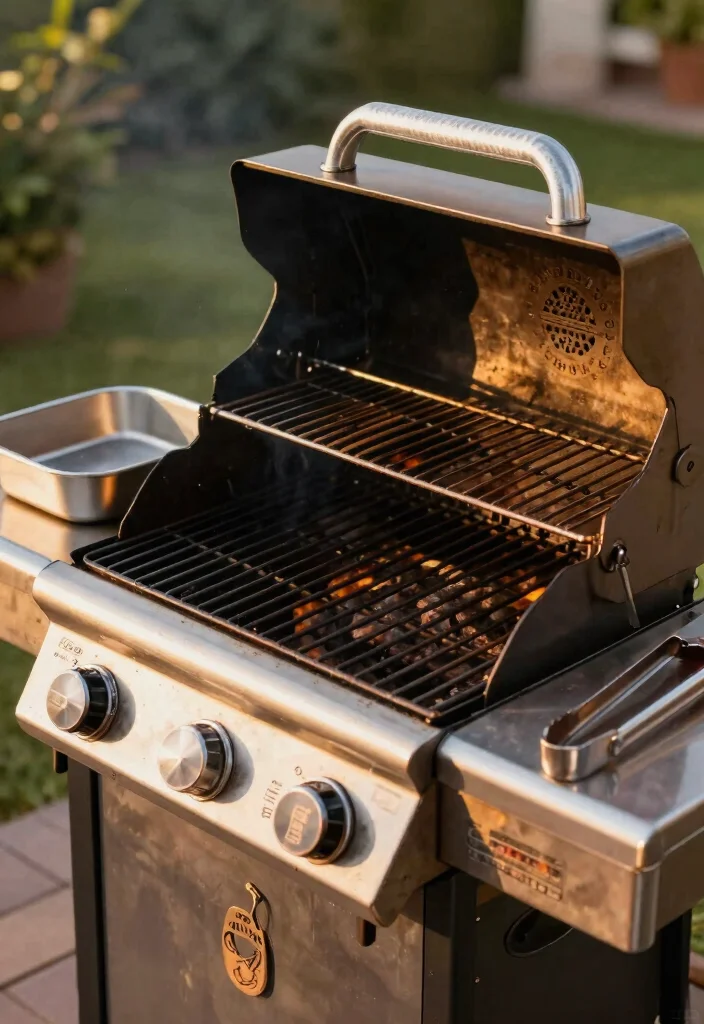
Are you ready to grill the ultimate brisket? Setting up your gas grill for indirect heat is key to achieving that tender, fall-apart goodness. Here’s how to prepare your grill for success:
– Preheat your gas grill: Get it hot, around 225-250°F, which is perfect for brisket.
– Arrange your burners: Turn on only one side, creating a hot side and a cool side for slow cooking.
– Use a water pan: Place a pan of water on the cool side to keep humidity levels up and your brisket moist.
– Keep it closed: Open the lid as little as possible to maintain a steady temperature.
Mastering this setup will lay the groundwork for your beautifully cooked brisket.
4. Smoking Brisket with Wood Chips
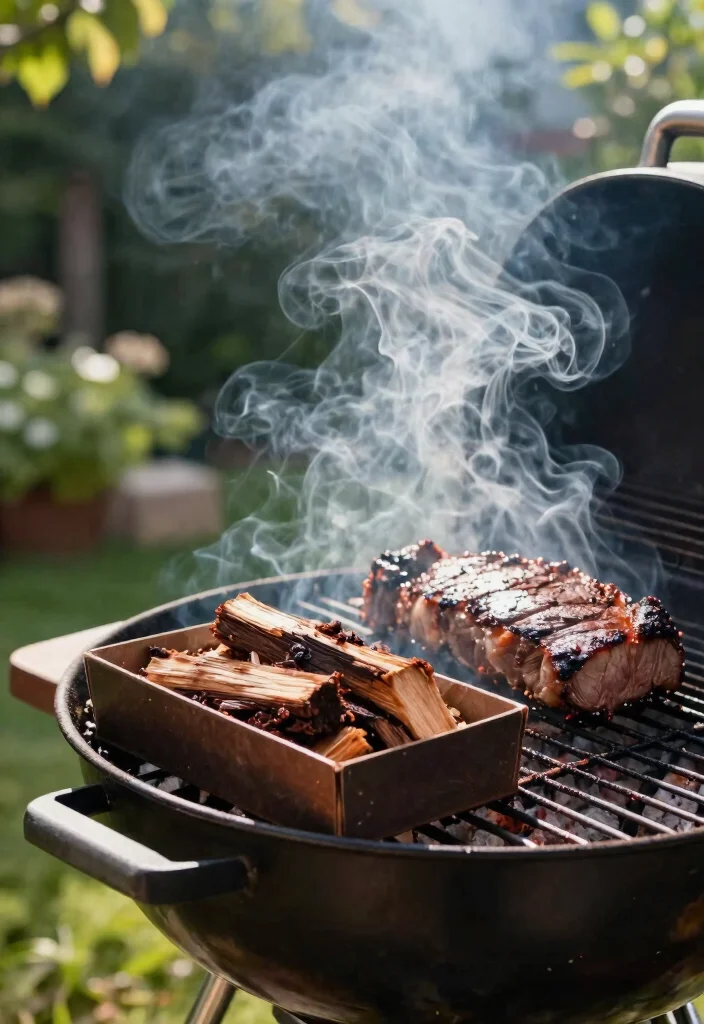
Want to add that irresistible smoky flavor to your brisket? Your gas grill can achieve that authentic barbecue taste with wood chips! Here’s how to do it right:
– Choose your chips: Hickory, mesquite, or applewood are fantastic options, each offering a unique flavor.
– Soak the chips: Soak your wood chips in water for about 30 minutes to prevent them from burning too quickly.
– Use a smoker box: Place the soaked chips in a smoker box on the direct heat side for rich smoke flavor.
– Add chips regularly: Keep the smoke flowing by adding more chips every hour for continuous flavor.
This technique will elevate your brisket from ordinary to extraordinary!
How To Choose the Right Cut of Brisket
1. Consider the Cut Type:
When choosing brisket, you have two main options: the flat and the point. The flat is leaner and easier to slice, while the point has more fat, making it juicier and flavorful. If you want a classic barbecue experience, go for the point cut; if you prefer a healthier option, opt for the flat.
2. Look for Marbling:
Marbling refers to the white streaks of fat within the meat. More marbling often means better flavor and tenderness. Aim for a brisket with good marbling, as it will break down during cooking, making your brisket juicy.
3. Check the Thickness:
The thickness of the brisket is also important. A thicker cut will take longer to cook but can provide more flavor. Look for a brisket that is at least 1.5 inches thick. This ensures that you have enough meat to work with after trimming.
4. Choose a Fresh Product:
Freshness matters when selecting brisket. Look for meat that is bright red with minimal discoloration. Avoid any that has a grayish hue or an off smell, as these can indicate that the meat is old or spoiled.
5. Consider Your Cooking Method:
Different cuts respond better to different cooking methods. If you plan to smoke your brisket, the point cut is ideal for its fat content. If you’re using a gas grill, the flat cut will cook evenly and is easier to handle.
6. Know Your Budget:
Brisket can vary significantly in price. Prices can also fluctuate based on where you live. Generally, the point cut is less expensive than the flat. Consider your budget and how much brisket you need for your gathering.
Pro Tip: If you’re unsure, ask your butcher for help. They can guide you to the best cuts based on your cooking method and desired flavor profile. Don’t be afraid to express your preferences!
5. The Art of Basting
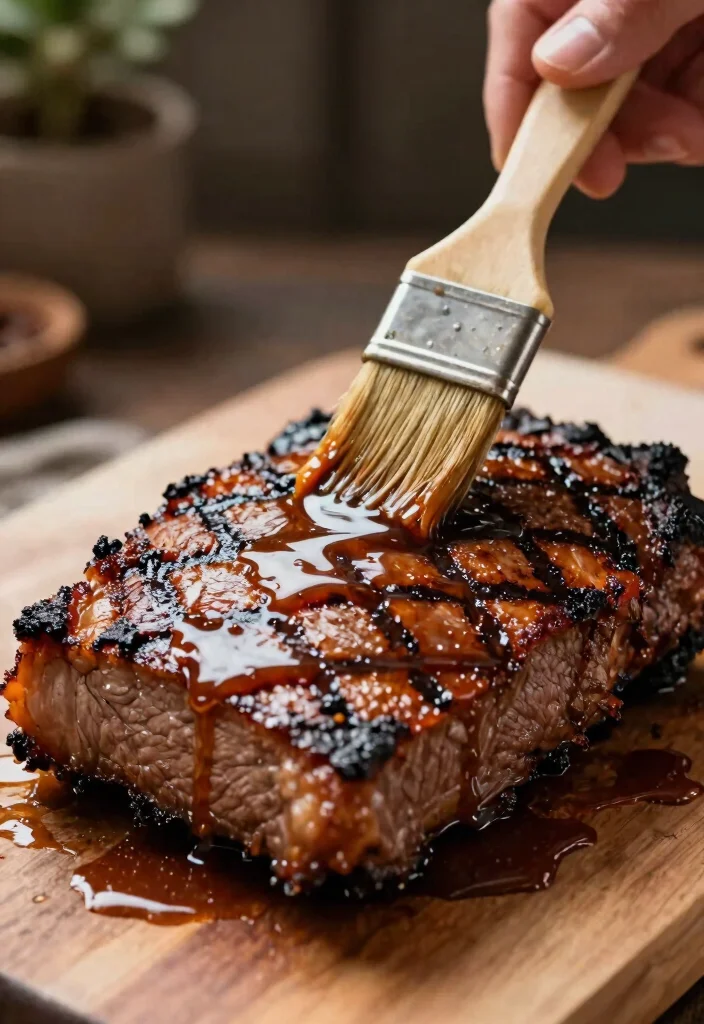
Wondering how to keep your brisket moist and flavorful? Basting is essential! As the brisket cooks, the fat renders, and you want to keep that moisture locked in. Here’s how to master basting:
– Choose your baste: A blend of barbecue sauce, apple juice, or beef broth works wonders to maintain moisture.
– Baste at intervals: Start after the first hour and repeat every 30-45 minutes to build layers of flavor.
– Use a brush: A large basting brush helps you apply the mixture evenly.
– Keep it gentle: Avoid heavy-handed basting, as it can strip away the flavorful rub and crust.
With this technique, your brisket will emerge juicy and packed with flavor, perfect for any gathering.
6. Resting Before Serving
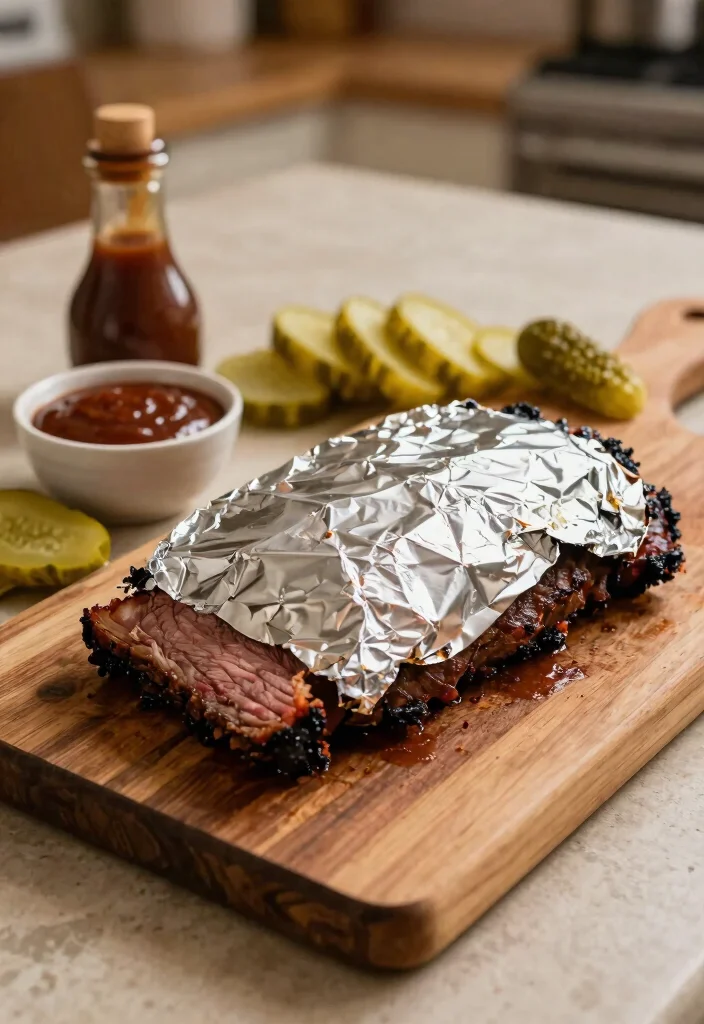
After all that cooking, it’s tempting to dive right into your brisket. But resting is crucial for optimal flavor and texture. Here’s what to do once your brisket is off the grill:
– Cover loosely with foil: Tent your brisket with aluminum foil to keep it warm.
– Allow time: Let it rest for at least 30 minutes to 1 hour. This redistributes the juices, ensuring every bite is juicy.
– Slice wisely: Cut against the grain to maintain tenderness and make chewing easier.
– Enjoy the rewards: Serve with your favorite sides and watch everyone admire your grilling skills!
This final step will elevate your brisket from good to unforgettable.
Resting is where the magic happens—the best way to cook brisket on a gas grill rewards you with juicy, tender slices. Tent loosely with foil, wait 30 minutes to 1 hour, then slice against the grain for perfect bites every time.
7. Pairing with the Perfect Sides
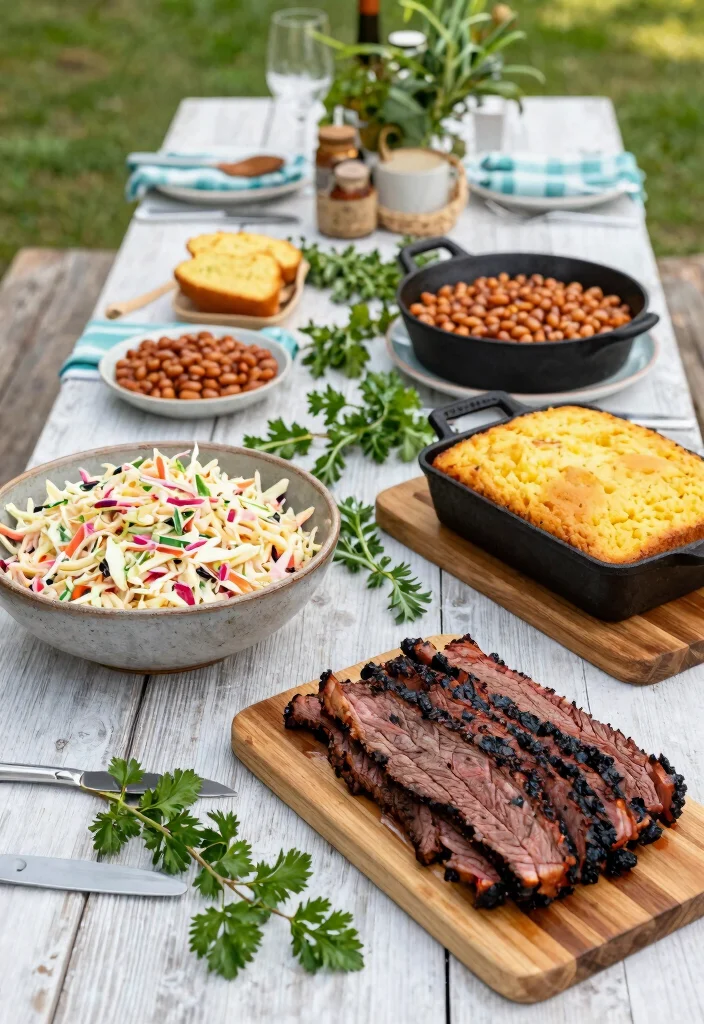
No brisket is complete without the right sides to complement its rich flavors. When planning your meal, consider these popular sides that pair beautifully with smoked brisket:
– Coleslaw: The crunch and creaminess balance the brisket’s richness.
– Baked Beans: Sweet and savory, they offer a delightful contrast.
– Cornbread: Soft and buttery, it adds great texture.
– Grilled Vegetables: A healthy side that enhances the outdoor experience.
– Pickles and Onions: Bright flavors that cut through the meat’s richness.
These pairings not only elevate your meal but also create a colorful, appetizing spread that will impress your guests. Remember, presentation matters, so arrange your sides beautifully for that wow factor!
Conclusion
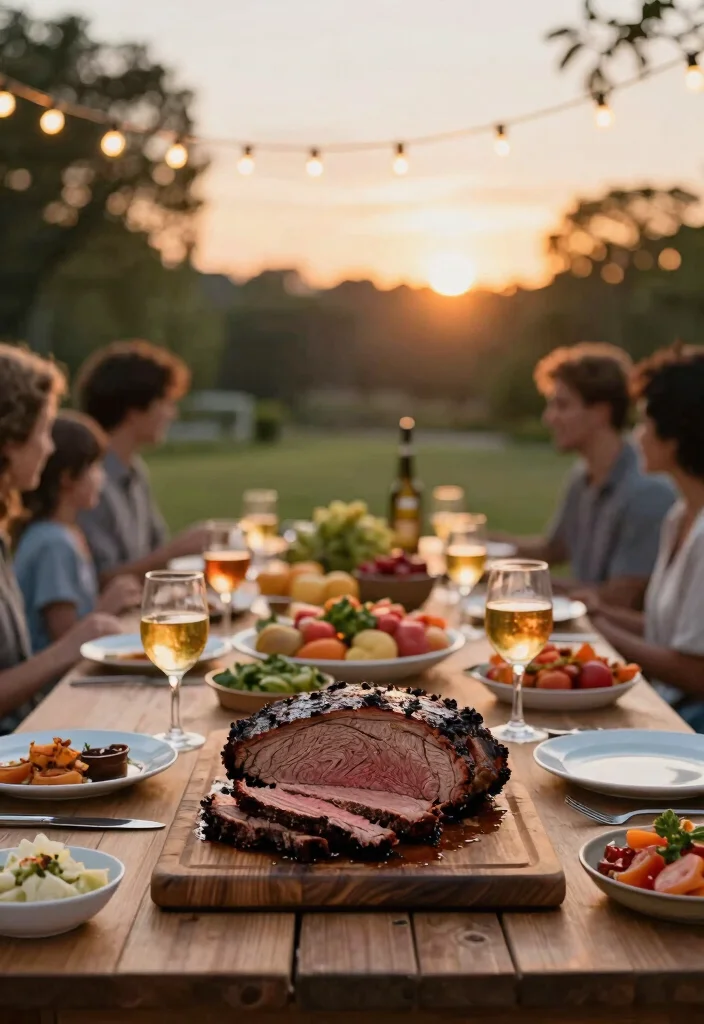
Cooking brisket on a gas grill can be an incredibly rewarding experience with the right techniques in your arsenal. From selecting the perfect cut to mastering the art of basting and resting, each step plays a vital role in achieving that mouthwatering result.
As you host your next gathering, remember these tips to impress your guests with succulent, flavorful brisket. Enjoy the process, and happy grilling!
Note: We aim to provide accurate product links, but some may occasionally expire or become unavailable. If this happens, please search directly on Amazon for the product or a suitable alternative.
This post contains Amazon affiliate links, meaning we may earn a small commission if you purchase through our links, at no extra cost to you.
Frequently Asked Questions
What is the best way to cook brisket on a gas grill to get tender, smoky results?
Here’s a practical path for the best way to cook brisket on gas grill that yields tender, flavorful results.
Start with trimming the fat cap to about 1/4 inch and applying a balanced rub of salt, pepper, paprika, and garlic. Set up your grill with a two-zone setup—hot on one side, cooler indirect heat on the other. Preheat to about 225-250F. Add a handful of wood chunks or a smoker box to introduce smoke, aiming for a light, steady smoke. Place the brisket fat side down over the indirect zone and let it cook until the internal temperature reaches about 165-170F. Then wrap in butcher paper or heavy foil to lock in moisture (the Texas crutch) and move it to the indirect zone until the internal temperature hits 195-205F. Remove, rest 20-30 minutes, then slice against the grain. Throughout, keep the lid closed to maintain temperature control and use a probe thermometer for accuracy.
What are essential brisket cooking tips for gas grills to get moist, flavorful meat?
Here are brisket cooking tips for gas grills that maximize juiciness and flavor. First, keep a water pan in the indirect zone to add humidity. Second, hold a steady temperature of 225-250F and avoid opening the lid often; each peek costs you moisture. Third, use a two-zone setup and let wood chips provide smoky flavor by using a smoker box or smoke tube. Fourth, apply a simple dry rub and optional injection. Fifth, wrap when you hit 165-170F to preserve moisture. Sixth, rest 20-30 minutes before slicing. Finally, slice against the grain for tenderness. This works as part of grilling techniques and outdoor cooking methods.
Do I need to use smoking woods or can the gas grill provide flavor enough?
Yes, you can get great flavor from a gas grill, but smoking brisket adds deeper notes. For smoke, use a small amount of smoking wood such as oak, hickory, or a milder apple or cherry. Use a smoker box or a smoke tube, or wrap some chips in foil with holes and place over the heat. Keep the indirect zone and maintain a steady, gentle smoke. This fits into gas grill recipes and grilling techniques. If you prefer a quicker route, you can still get good results with light smoke and a strong rub.
Outdoor cooking methods still apply.
What common mistakes should I avoid when cooking brisket on a gas grill?
Common mistakes to avoid when cooking brisket on a gas grill include cooking at too high heat (over 300F), letting the grill temperature swing, opening the lid too often, skipping the water pan, not using a thermometer, wrapping at the wrong time, and not resting the meat before slicing. Also avoid slicing across the grain while the meat is hot. Following a steady outdoor cooking methods approach will help.
How can I adapt these techniques for different brisket cuts (flat vs point) on a gas grill?
Brisket cuts come in two common forms: the flat and the point. The flat is leaner and cooks more evenly, while the point renders more fat and can become tender more slowly. For the flat, plan a longer rest and aim for 195-205F internal temp; for the point, you may need extra time and can separate the two pieces to finish. Trim fat cap to about 1/4 inch and apply rub to both sides; if you choose to separate, you can wrap the point after it starts to render. Finish by resting the whole piece and then slicing across the grain. This adaptation fits under outdoor cooking methods and brisket cooking tips.
![9 Clever Ways to Repurpose Gas Grill Concepts [DIY Guide]](https://edificatum.com/wp-content/uploads/2026/04/9-Clever-Ways-to-Repurpose-Gas-Grill-Concepts-DIY-Guide-150x150.webp)